


Strawberry legs respond well to a three-step approach you can start today: stop physical scrubbing, switch to a chemical exfoliant, and apply a barrier-repairing moisturizer after every shower. The dark dots that give skin that strawberry-seed appearance are usually oxidized sebum or keratin plugs sitting in open follicles. According to the Cleveland Clinic, these are harmless clogged pores that improve with consistent home care.
Start here in the next 24–72 hours:
- Replace any gritty scrub with a body wash or lotion containing salicylic acid (BHA) or lactic acid (AHA).
- Apply a fragrance-free, ceramide-rich moisturizer to damp skin immediately after showering.
- Swap your razor blade regularly to maintain sharpness and reduce irritation.
Red flags that require a clinician visit: pain, spreading redness, pus, fever, or rapid worsening. These point to folliculitis or infection, not a cosmetic clog. The Cleveland Clinic is explicit: those symptoms need medical evaluation, not more exfoliation.
Pro Tip: Apply your moisturizer within two minutes of stepping out of the shower, while skin is still slightly damp. Absorption is faster and barrier repair is more effective at that window.
Key Takeaways
Consistent chemical exfoliation paired with daily barrier repair is the most effective at-home approach to reducing strawberry legs, with visible improvement typically appearing within four to eight weeks.
| Point | Details |
|---|---|
| Chemical exfoliation first | Use salicylic acid, lactic acid, or urea 2–3x per week; avoid aggressive physical scrubs. |
| Barrier repair every day | Apply a ceramide or glycerin moisturizer to damp skin after every shower, including on non-exfoliation days. |
| Shaving technique matters | Replace blades every 3–5 uses, shave with the grain, and always use moisturizing shave cream. |
| Know the red flags | Pain, pus, spreading redness, or fever require a clinician visit, not more exfoliation. |
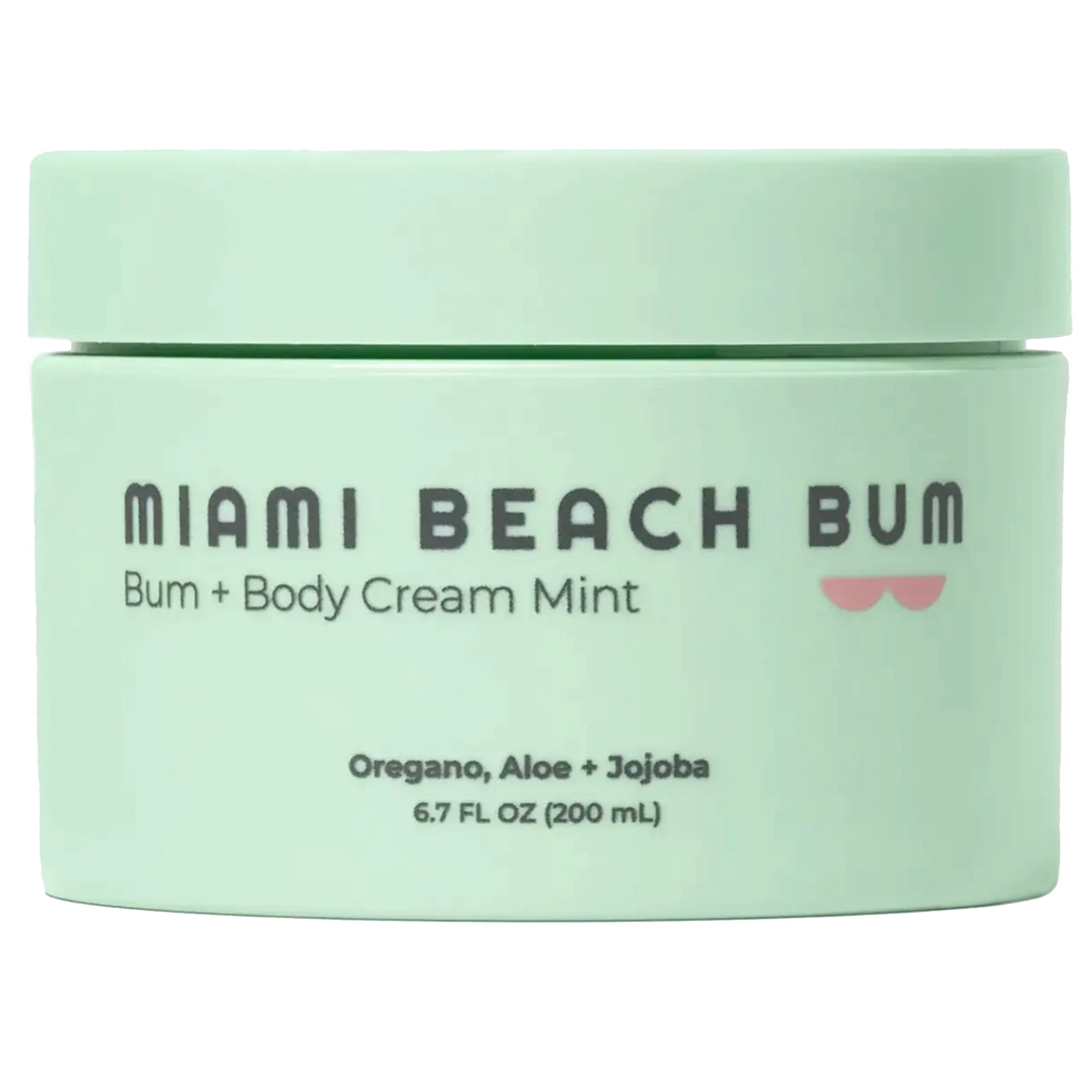
| Miamibeachbum routine fit | Bum + Body Cream and Blocked SPF50 cover the post-exfoliation moisturizing and sun-protection steps directly. |
This article is general information, not a substitute for advice from a qualified doctor. Consult a qualified healthcare professional about your own circumstances before acting on anything here.
Table of Contents
- What causes strawberry legs and how to identify your specific trigger
- Home treatments that actually work: ingredients, frequency, and safe use
- How hair-removal choices affect strawberry legs
- When to see a dermatologist and what professional options exist
- A practical weekly routine to prevent strawberry legs from coming back
- What improvement looks like and how long it realistically takes
- Miamibeachbum products that fit directly into this routine
- Sources
What causes strawberry legs and how to identify your specific trigger
The informal term “strawberry legs” describes the dotted appearance of skin where follicles or pores are visibly darkened. Clinically, several distinct mechanisms produce the same look, and identifying yours determines which treatment path works.
The five main causes:
- Oxidized follicle plugs. Oil and dead skin cells fill the follicle, oxidize on contact with air, and turn dark. Most common on thighs and calves.
- Keratosis pilaris (KP). Excess keratin traps hair inside the follicle, creating rough, bumpy texture. Spots tend to feel sandpaper-like and appear on the backs of arms and outer thighs. This is a genetic condition, not a hygiene issue.
- Ingrown hairs. Hair curls back under the skin after shaving or waxing, causing a raised, sometimes red bump. More common in coarser hair types.
- Shaving irritation. A dull blade or dry shave removes the top skin layer, triggering inflammation that darkens the follicle opening.
- Folliculitis. Bacterial or fungal infection of the follicle. Spots are red, may contain pus, and can be tender or itchy.
Quick home diagnostic:
- Rough, bumpy texture with no redness or pain? Likely KP. Needs urea or lactic acid, not salicylic acid.
- Flat dark dots, no pain, appear after shaving? Oxidized plugs or ingrown hairs. BHA exfoliation and shaving technique changes help most.
- Red, tender, or pustular spots? Stop all actives and see a clinician. This is the folliculitis pattern.
- Spots only on areas you shave or wax? Technique and blade freshness are the first fix.
Strawberry legs vs. KP is a common point of confusion. KP produces a rougher, more uniform texture and does not respond as well to BHAs alone. It needs consistent AHA or urea use over weeks.
Home treatments that actually work: ingredients, frequency, and safe use
Chemical exfoliants are the foundation of effective strawberry legs treatment at home. Dermatologists recommend AHAs, BHAs, urea, and retinoids as the primary ingredient classes for unclogging follicles and smoothing texture.
The key ingredients and what each one does
Best for classic clogged follicles and oily skin. Use 2–3 times per week to start.
Lactic acid is gentler and adds some hydration, making it a better first choice for sensitive or dry skin. Glycolic acid works faster but increases sun sensitivity more sharply.
Particularly effective for KP because it softens the keratin plug while rehydrating the surrounding skin. Use daily or every other day.
Best for persistent ingrown hairs. Start once or twice per week at night and build slowly.
A sample routine
Daily: Shower with a gentle, fragrance-free body wash. Pat skin mostly dry, then apply a barrier-repairing moisturizer with ceramides or glycerin to damp skin. Check barrier-repairing ingredient options if you are unsure what to look for on a label.
Do not layer a BHA and a strong AHA in the same session.
Wait 20 minutes before moisturizer to reduce irritation.
Safety notes:
- Always patch-test a new active on a small area for 48 hours before full application.
- AHAs and retinoids increase UV sensitivity. Daily sunscreen on exposed skin is non-negotiable.
- If skin becomes red, flaky, or stings persistently, reduce frequency before increasing it again.
Pro Tip: Over-exfoliation looks like increased redness, tightness, or new breakouts. If any of those appear, pause all actives for five to seven days and focus only on moisturizer and gentle cleansing. Rebuilding the barrier first makes the next round of exfoliation more effective, not less.
Clinical literature published on PMC cautions that aggressive physical abrasion raises post-inflammatory hyperpigmentation risk, particularly in medium to deep skin tones. Chemical exfoliation avoids the micro-tears that physical scrubs create.
How hair-removal choices affect strawberry legs
The method and technique you use to remove hair directly determines how often follicles get irritated and clogged. No single method eliminates the problem entirely, but some reduce it significantly.

| Method | Effectiveness for reducing strawberry legs | Speed of results | Suitable for sensitive skin | Safety / side effects | Cost / accessibility |
|---|---|---|---|---|---|
| Shaving (correct technique) | Moderate | Immediate | Yes, with prep | Low risk; blade age is the main variable | Low; widely accessible |
| Waxing | Moderate to high | 2–4 weeks per cycle | Moderate | Risk of ingrown hairs; avoid on irritated skin | Low to moderate |
| Epilator | Moderate | 2–4 weeks per cycle | Low to moderate | Discomfort; ingrown hair risk | Moderate upfront cost |
| Laser hair removal | High (long-term) | Several months, multiple sessions | Yes, with correct settings | Pigment risk on darker tones; requires professional | High |
| Electrolysis | High (permanent) | Months to years | Yes | Minimal scarring risk; slow process | High |
Shaving technique checklist (based on Vogue dermatologist guidance):
- Warm the skin for at least two minutes with warm water before shaving.
- Use a moisturizing shave cream or gel, never dry.
- Shave with the grain (in the direction of hair growth) on the first pass.
- Use short, light strokes and rinse the blade after every two strokes.
- Replace blades frequently, as dull blades drag and cause more follicular trauma than most other factors.
- Apply a fragrance-free moisturizer immediately after.
When to consider switching methods: if you get razor bumps or ingrown hairs after most shaves despite correct technique, waxing or an epilator removes hair at the root and can reduce follicular trauma for some people. Laser is worth exploring for persistent cases where home methods plateau.
When to see a dermatologist and what professional options exist
Most strawberry legs cases resolve with consistent home care. A dermatologist visit is warranted when symptoms cross specific lines.
Red-flag checklist — see a clinician if you have:
- Pain or tenderness at the follicle sites
- Spreading redness beyond individual spots
- Pustules or pus-filled bumps
- Fever or systemic symptoms alongside skin changes
- Rapid worsening over days rather than weeks
These signs suggest infectious folliculitis. The Cleveland Clinic recommends targeted antibiotic or antifungal treatment for confirmed infections, not continued OTC exfoliation.
Professional treatment options:
- Prescription retinoids (tretinoin). Stronger than OTC adapalene; effective for KP and ingrown hair patterns.
- Topical or oral antibiotics. For bacterial folliculitis confirmed by a clinician.
- Antifungals. For fungal folliculitis, which looks similar but requires a different treatment entirely.
- Chemical peels. Professional-strength AHA or BHA peels speed up the clearing process for stubborn cases.
- Laser hair removal. Healthline notes that most people need roughly 3–7 sessions depending on hair density and color. Results develop over months, not weeks.
- Electrolysis. Permanent follicle destruction; slower than laser but effective across all hair and skin tones.
On laser and skin tone: laser effectiveness depends on the contrast between hair color and skin tone. Darker skin tones carry a higher risk of pigment changes with certain laser types. A board-certified dermatologist should assess Fitzpatrick skin type before recommending a device or energy setting.
A practical weekly routine to prevent strawberry legs from coming back
Consistency matters more than intensity. A simple, repeatable schedule prevents recurrence without requiring daily effort.
Daily:
-
Shower with a gentle, non-comedogenic body wash.
-
Apply a barrier-repairing moisturizer to damp skin. Look for ceramides, glycerin, or hyaluronic acid on the label. These ingredients support barrier integrity and reduce the dryness that worsens follicular congestion.
-
Apply SPF to any exposed skin if using AHAs, BHAs, or retinoids.
-
Apply a BHA or AHA body product after cleansing. Alternate with urea lotion if skin feels dry.
Weekly:
- Shave with fresh blade and proper technique (see checklist above).
- Check skin for any red-flag symptoms.
Lifestyle and fabric notes: tight synthetic fabrics trap sweat and friction against follicles, which worsens congestion. Wearing looser, breathable fabrics during workouts and showering promptly after sweating reduces recurrence. Fragrance-free products matter here too: fragrance is a common irritant that disrupts the barrier you are trying to repair.
Pro Tip: Keep your exfoliation frequency lower than you think you need. Starting at twice a week and holding there for a full month before increasing gives the skin barrier time to adapt and gives you a clear baseline for what is working.
For a deeper look at barrier-repairing ingredients and why they matter after exfoliation, Miamibeachbum’s ingredient guide covers the practical details.
What improvement looks like and how long it realistically takes
Setting accurate expectations prevents both abandoning a routine too early and continuing one that is not working.
Typical timeline:
- Week 1–3: Skin texture begins to soften. Individual dark dots may look less prominent as surface dead skin clears.
- Week 4–8: Visible reduction in clogged pores and dark follicle spots with consistent chemical exfoliation and daily moisturizing.
- Month 3+: Significant clearing for most people following a correct routine. KP cases take longer and require ongoing maintenance rather than a fixed endpoint.
- Laser/professional treatments: Visible improvement typically develops across multiple sessions over several months, with maintenance sessions needed afterward.
Decision points:
- If a product causes persistent redness or stinging after two weeks at the lowest frequency, it is too strong for your skin. Switch to a gentler option rather than pushing through.
- If there is no visible change after eight weeks of consistent use, the cause may be KP or folliculitis rather than simple clogged pores. A dermatologist visit at that point is reasonable.
- Slow, steady improvement is the normal pattern. Rapid clearing in days is not typical and should not be the benchmark.
Clinical guidance from PMC reinforces that conservative regimens tailored to skin type produce better long-term outcomes than aggressive short-term approaches, particularly for people with medium to deep skin tones where post-inflammatory hyperpigmentation is a real risk.
An editorial note on consistency over intensity
The most common mistake with strawberry legs treatment is treating it like a problem to solve once rather than a condition to manage. Aggressive short-term fixes, heavy scrubs, stacking multiple actives, or jumping to professional treatments before establishing a baseline routine often create more inflammation than they clear.
The clinical sources used in this guide, including the Cleveland Clinic and peer-reviewed dermatology literature, consistently point to the same conclusion: gentle, consistent chemical exfoliation paired with daily barrier repair outperforms any single high-intensity intervention. That is not a conservative position. It is what the evidence actually shows.
For atypical presentations, persistent symptoms, or any of the red-flag signs listed above, a board-certified dermatologist is the right next step. Self-diagnosis has real limits, especially when folliculitis or KP is involved.
Miamibeachbum products that fit directly into this routine
Miamibeachbum builds its body care around marine and botanical ingredients, and several products slot cleanly into the routine outlined above.

The Bum + Body Cream is formulated to address razor burn and body breakouts, making it a direct fit for the post-exfoliation moisturizing step. Apply it to damp skin after showering on exfoliation days and non-exfoliation days alike. The Skin Smoothie daily moisturizer works as the everyday barrier-repair layer, light enough for daily use and compatible with the BHA and AHA products in your routine.
Blocked SPF50 covers the sun-protection requirement that AHAs, BHAs, and retinoids create. Chemical exfoliants increase UV sensitivity, and skipping sunscreen on treated skin risks hyperpigmentation, the exact outcome you are trying to avoid. Apply Blocked SPF50 as the final step on any morning after using an active the night before.
If you want to test the full routine before committing to individual products, the Bodycare Discovery Set is the lower-commitment entry point. It covers the core steps in one order.
Sources
- Strawberry Legs: Causes & Treatment
- Strawberry Legs: Treatment, Symptoms, Causes, and Laser
- How to Treat Strawberry Legs in 2025, According to Experts
- Pmc