


For most body-acne cases, benzoyl peroxide works best on red, inflamed, pus-filled bumps, while salicylic acid does more for clogged pores and rough, bumpy texture. Start with a low concentration and patch test for three days before regular use. Use benzoyl peroxide as a short-contact wash or spot treatment, and salicylic acid as a daily wash or leave-on spray. If you see no change after 6 to 8 weeks, or your acne is severe, talk to a dermatologist.
TL;DR:
- Benzoyl peroxide is most effective for inflamed, painful lesions like pustules and cysts, especially when used as an in-shower wash two to three times weekly.
- Salicylic acid excels at unclogging pores and smoothing textured skin, making it ideal for blackheads and non-inflamed, hard bumps.
- Body skin is oilier and more friction-prone than facial skin, so rinse-off treatments are generally better suited than heavy ointments or serums.
- Proper application involves patch testing first, starting with low concentrations, and avoiding layering treatments on the same area in one session.
- Persistence over 6 to 8 weeks is essential, as this aligns with the skin’s natural renewal cycle on the body, with careful management of side effects like dryness and fabric bleaching.
Table of Contents
- Salicylic Vs. Benzoyl Peroxide Body Acne: How Each One Works
- Which Ingredient Fits Your Skin, Fabric, And Routine?
- How To Apply Each Treatment Safely On The Body
- Managing Side Effects And Knowing When To See A Dermatologist
- What Backs This Comparison, And How Miamibeachbum Fits In
- Why Body Skin Deserves Its Own Playbook
- Build Your Body Acne Routine With Miamibeachbum
- Sources
Salicylic Vs. Benzoyl Peroxide Body Acne: How Each One Works
These two ingredients treat acne through completely different mechanisms, which is exactly why body-acne routines often work better when you understand what each one is actually doing under the skin.
Salicylic acid is a beta-hydroxy acid (BHA) that dissolves in oil rather than water. That matters because it can slip past sebum and into the pore lining to break down the keratin plugs that create blackheads and rough texture. Its lipophilic structure is also why low-concentration leave-on formats work without needing constant scrubbing. Benzoyl peroxide takes the opposite approach: it releases oxygen inside the pore, which kills acne-causing bacteria and calms inflammation. That makes it the stronger option for pustules, cysts, and anything that looks angry and swollen rather than just clogged.
Body skin changes the equation further. It is thicker than facial skin, produces more oil across the back and chest, and deals with constant friction from clothing, bags, and workout gear. That combination pushes most people toward washes and sprays rather than the creams and serums typical of a facial routine.
- Salicylic acid unclogs pores and smooths texture, best for blackheads and bumpy skin.
- Benzoyl peroxide kills bacteria and reduces swelling, best for inflamed, painful lesions.
- Body skin is oilier and more friction-exposed, favoring rinse-off washes and light leave-on sprays over heavy creams.
Which Ingredient Fits Your Skin, Fabric, And Routine?
A simple decision grid solves most of the guesswork here. If a bump is red, sore, or has a visible whitehead, reach for benzoyl peroxide. If it is a hard, skin-colored bump or a cluster of blackheads with no real inflammation, salicylic acid usually does more.
Fabric matters more than most people expect. Benzoyl peroxide is an oxidizer, and that same reaction that kills bacteria will also strip dye permanently from cotton and similar fibers. Salicylic acid does not carry that risk. Sweat and exercise timing matter too. Applying either active right before a workout adds friction and sweat on top of active ingredients, which raises irritation odds.
Here is a practical sequence for a typical flare:
- Check the lesion type. Inflamed and painful means benzoyl peroxide; clogged and textured means salicylic acid.
- Use benzoyl peroxide as an in-shower wash, applied to wet skin for 60 to 180 seconds before rinsing, two to three times weekly during active breakouts.
- Use salicylic acid daily, either as a leave-on spray after showering or as a gentle wash on non-BP days.
- Never layer both on the same area in one session. MedlinePlus specifically warns against combining salicylic acid with other topical acne treatments, including benzoyl peroxide.
Pro Tip: If your back or chest breaks out mainly along bra lines or backpack straps, that pattern often points to friction-driven folliculitis rather than true acne, which responds better to breathable fabric and gentle exfoliation than to either active alone.
Clinicians who treat body acne often lean on this same split for a practical reason: larger surface areas make short-contact washes more forgiving than all-day leave-ons when you are using a stronger, more irritating active like benzoyl peroxide.
How To Apply Each Treatment Safely On The Body
Concentration matters as much as ingredient choice. Starting at the bottom of that range is not a compromise. Higher concentrations do not necessarily work faster, and they raise your odds of dryness and peeling without speeding up results.
A benzoyl peroxide wash routine looks like this: apply to wet skin, work into a light lather, let it sit for 60 to 180 seconds, then rinse completely. A salicylic acid routine is simpler: apply to dry, clean skin after showering, once daily, then follow with a light moisturizer to protect the skin barrier.
- Patch test any new product on a small area, like the inside of your forearm, for three days before full use.
- Escalate slowly: once daily for a week, then every other day if tolerated well, then up to twice daily only if your skin handles it without excess dryness.
- Expect initial improvement in 1 to 2 weeks, with more meaningful change by 6 to 8 weeks of consistent use.
Statistic Callout: The 6 to 8 week timeline isn’t a marketing estimate. It reflects how long a full skin-cell turnover cycle takes on the body, which is longer than on the face because body skin is thicker.
Managing Side Effects And Knowing When To See A Dermatologist
Dryness, peeling, and mild stinging are common with both actives, especially in the first two weeks. If your skin starts flaking or feels tight, cut back to every other day and add a fragrance-free moisturizer after each application rather than stopping treatment entirely.
Benzoyl peroxide’s fabric-bleaching is a real, practical issue, not a minor inconvenience. Rinse it off completely, let skin air-dry before dressing, and use old or white towels and sheets during any active treatment window.
- Dryness or peeling: reduce frequency, add moisturizer, do not increase concentration to compensate.
- Stinging that fades within minutes: usually normal; stinging that lingers or worsens: stop and reassess.
- Bleached fabric: switch to white or dark cotton towels and older workout clothes during treatment.
- Pregnant or nursing: check with a healthcare provider before regular use of either active, since guidance varies by concentration and formulation.
Pro Tip: Blistering, severe swelling, or any sign of a systemic reaction (fever, widespread rash) means stop use immediately and get medical care. That’s not a “wait and see” situation.
What Backs This Comparison, And How Miamibeachbum Fits In
This guidance draws on dermatology-reviewed sources and brand research grounded in real skin science, including insight from Miamibeachbum’s marine scientist perspective on what actually clears folliculitis and body bumps, a distinction that matters since not every bump is acne.
Miamibeachbum’s product lineup maps directly onto the routine above:
- Coco Body Scrub handles the gentle exfoliation step before introducing a leave-on active, without over-stripping skin.
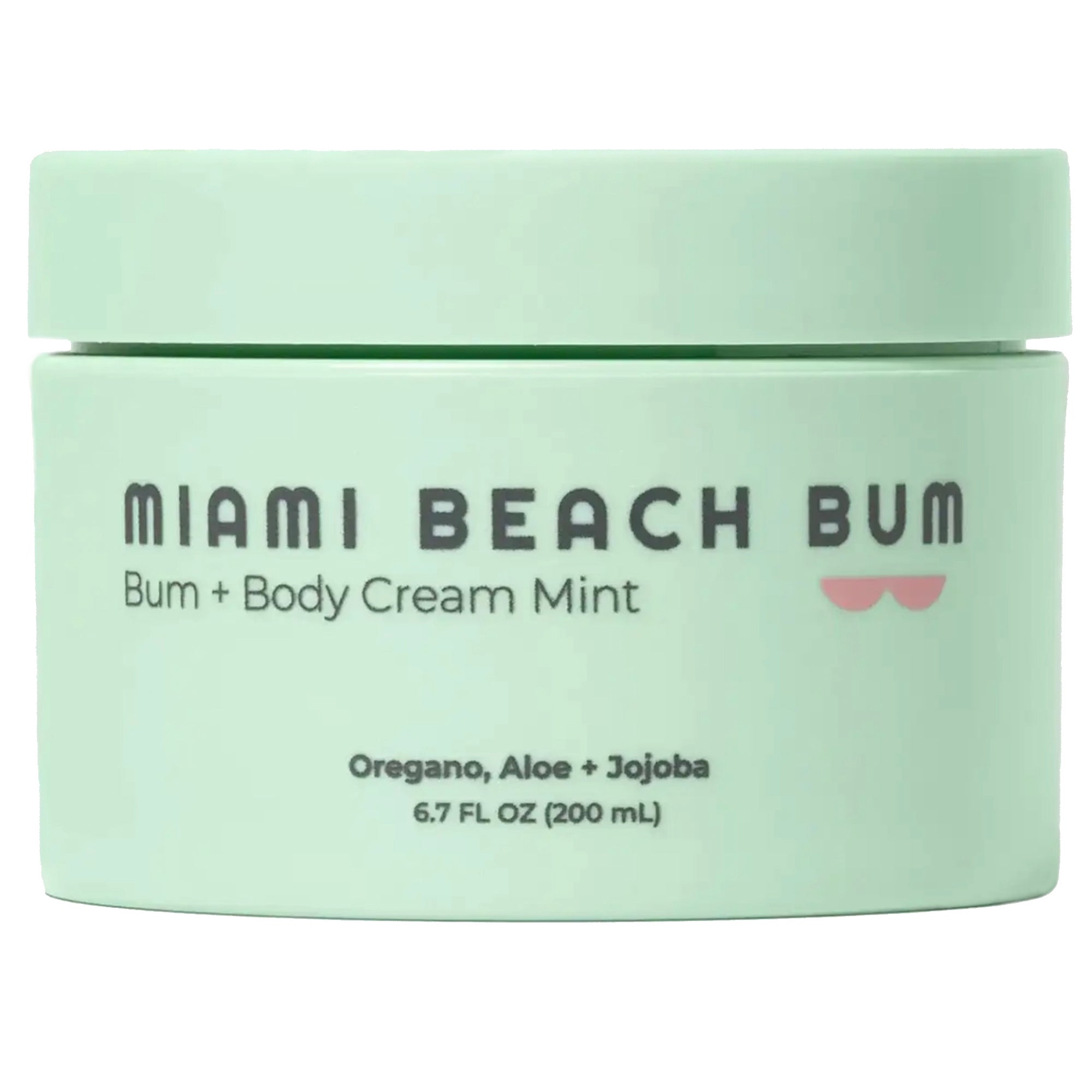
- Bum + Body Cream replaces lost moisture after a benzoyl peroxide wash or a salicylic acid application, supporting the barrier while treatment is active.
- Blocked SPF50 protects freshly treated, more sun-sensitive skin, since both actives can increase photosensitivity.
Check ingredient lists on each product page before starting, and keep patch testing regardless of which active you choose.
Why Body Skin Deserves Its Own Playbook
Most acne advice gets written for the face and then awkwardly stretched to cover the body, and that’s the real gap here. Facial routines assume thin skin, daily mirror time, and serums layered in careful order. Body skin gets none of that attention, which is exactly why a short-contact wash makes more sense on the back than a leave-on serum ever would.

The overrated advice: chasing the highest concentration you can find. Skin doesn’t reward intensity, it rewards consistency and tolerance. The underrated move: treating application format (wash versus leave-on, contact time versus daily use) as seriously as which active you pick.
If you take one thing from this, prioritize the shower-friendly routine over the strongest product on the shelf. A 2.5% benzoyl peroxide wash used consistently for two months will outperform a 10% version abandoned after a week of peeling. Body acne responds to patience applied in the right format, not brute force.
— Ayssa
Build Your Body Acne Routine With Miamibeachbum
Once you know whether your skin needs the antibacterial punch of benzoyl peroxide or the pore-clearing action of salicylic acid, the next step is supporting that treatment so your skin barrier doesn’t pay the price.
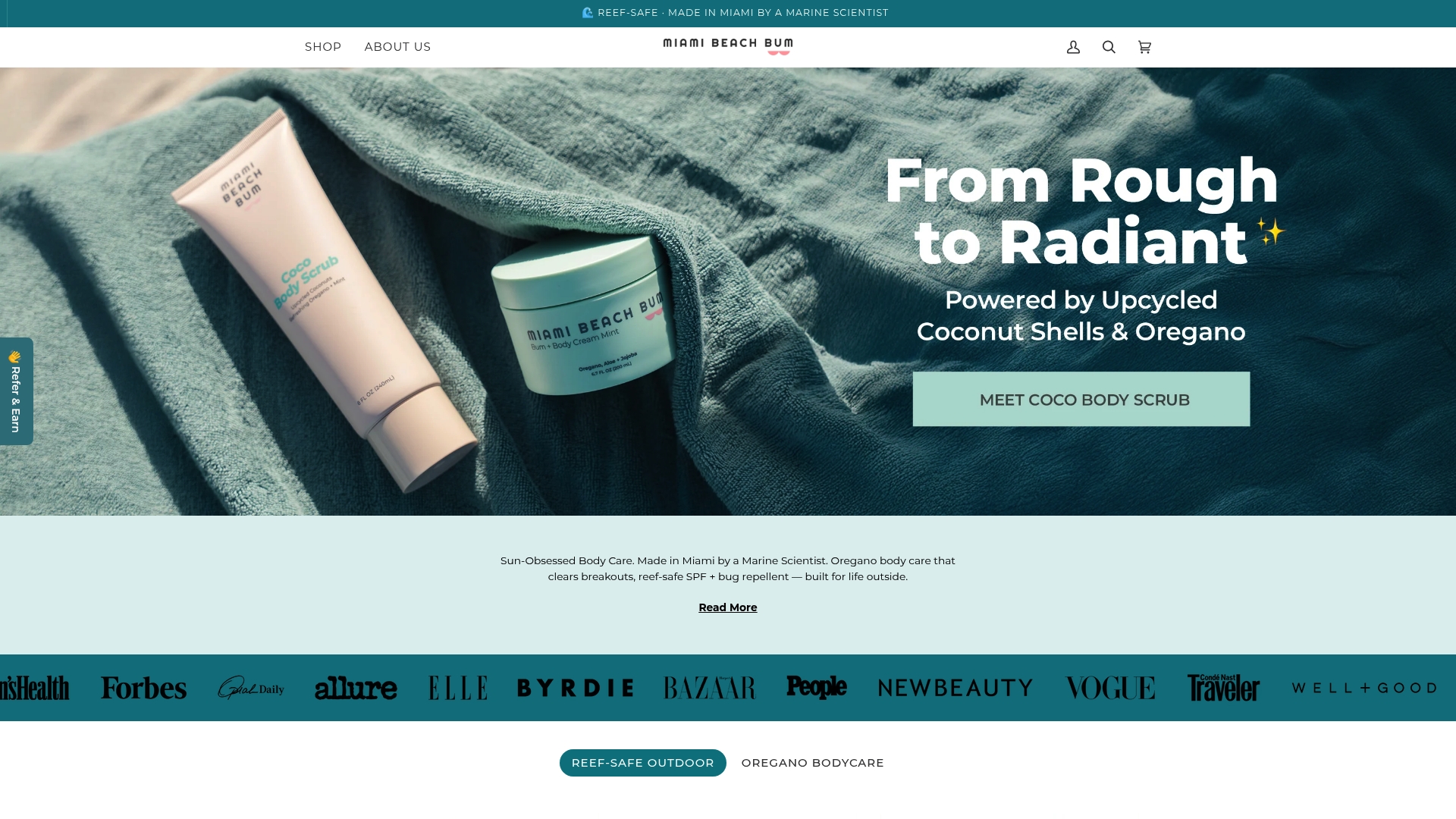
Miamibeachbum’s Bum + Body Cream rehydrates skin after a wash or leave-on application, calming the dryness and peeling that come with active treatment. Use the Coco Body Scrub once or twice weekly to gently clear surface buildup before your leave-on step, and reach for Blocked SPF50 afterward, since treated skin is more prone to sun sensitivity. If friction along straps or waistbands is part of your breakout pattern, Hair Shield can cut down on the irritation that triggers flare-ups near the hairline and shoulders. Explore the full Bum + Body collection or try the Bodycare Discovery Set to test a full routine at once, with bundle pricing built in.
This article is general information, not a substitute for advice from a qualified doctor. Consult a qualified healthcare professional about your own circumstances before acting on anything here.
Sources
- PMC review of salicylic acid
- Salicylic acid vs benzoyl peroxide — Healthline
- Salicylic acid topical — MedlinePlus
- Acne treatment overview — American Academy of Dermatology (AAD)
- Best body washes for back and chest acne — AcneAdvocate