


Body acne worsens in summer because heat, sweat, and humidity create the exact conditions pores need to clog. Sweat mixes with oil, dead skin cells, and bacteria on the skin’s surface, and when that mixture sits against your skin, inflammation follows. Friction from clothing and gear compounds the problem. So does the wrong sunscreen.
The main triggers:
- Excess sweat trapping oil and bacteria in pores
- Higher humidity driving up sebum production
- Friction from tight clothing, backpacks, and swimwear (acne mechanica)
- Comedogenic sunscreens and thick body lotions blocking follicles
- Delayed showering after sweating or exercise
- Skin barrier damage from over-cleansing
Why does body acne worsen in summer? The real causes
Summer does not create new acne pathways. It amplifies existing ones. Heat pushes sebaceous glands to produce more oil, and high humidity traps moisture against the skin, giving bacteria a warm, wet environment to multiply. The result is a pore-clogging cycle that runs faster than it does in cooler months.
- Sweat and oil interaction: Sweat alone does not cause acne. The problem is what it carries. When sweat mixes with sebum and dead skin cells, it forms a paste that sits in hair follicles and feeds Cutibacterium acnes, the bacteria responsible for inflammatory breakouts.
- Sebaceous gland activity: Heat directly stimulates oil glands. Oily skin types tend to see the sharpest increase in summer flare-ups because their glands are already overactive.
- Skin microbiome shifts: Prolonged sweating alters the balance of bacteria on the skin’s surface. Beneficial bacteria that normally keep C. acnes in check get outnumbered, tipping the microbiome toward inflammation.
- Acne mechanica: Friction from backpacks, tight waistbands, wet swimwear, and sports gear forces bacteria deeper into follicles. This type of acne, called acne mechanica, does not respond well to standard cleansers alone.
- Sunscreen formulas: Not all sunscreens are equal for acne-prone skin. Thick, mineral-heavy formulas or those with occlusive ingredients like petrolatum can block pores, especially when layered over body lotion.
- Skin barrier damage: Aggressive scrubbing in response to breakouts damages the skin barrier, triggering the skin to produce even more oil as a compensatory response. More oil means more clogging.
- Stress and cortisol: Stress-induced cortisol increases sebum production. Summer travel, disrupted routines, and changes in sleep can all push cortisol higher.
Where summer acne tends to show up on your body
Acne follows the oil glands, and oil glands concentrate in specific areas. Summer conditions push those areas into overdrive.
- Back and shoulders (“bacne”): The back has a high density of sebaceous glands and spends summer pressed against sweaty shirts, backpack straps, and car seats. Trapped sweat under clothing is the primary driver here, with friction making each breakout worse.
- Chest and décolletage: Sweat pools on the chest during heat and exercise. Tight sports bras and synthetic fabrics keep that moisture locked against the skin, creating a reliable environment for clogged pores.
- Jawline and neck: These areas collect sweat from the scalp and face. Hair products and sunscreen residue also migrate down to the neck, adding comedogenic ingredients to an already sweaty surface.
- Skin folds: Areas where skin meets skin, such as under the arms, beneath the breasts, and along the inner thighs, retain heat and moisture longer than flat surfaces. Bacteria thrive in these spots.
- Distinguishing acne from heat rash: Heat rash produces a prickly, burning itch from blocked sweat ducts, not clogged hair follicles. It appears in the armpits, groin, chest, and back. The sensation is the key difference: heat rash burns and itches intensely, while acne tends to be tender and localized. Treating one as the other delays recovery.
How to prevent and manage body acne during summer
Prevention works better than treatment. Most summer breakouts are avoidable with a few consistent habits.
- Shower promptly after sweating: Showering immediately after exercise removes sweat, oil, and bacteria before they have time to clog pores. Waiting even an hour gives the pore-clogging process a head start.
- Use non-comedogenic SPF 30+ sunscreen: Daily sunscreen is non-negotiable, but the formula matters. Look for lightweight, water-based options labeled “non-comedogenic” or “oil-free.” The Miamibeachbum Bodyguard SPF30 is formulated to protect without blocking pores.
- Choose breathable fabrics: Wearing cotton or linen allows sweat to evaporate instead of sitting against the skin. Synthetic fabrics trap heat and moisture, accelerating the conditions that cause acne mechanica.
- Use salicylic acid or benzoyl peroxide body washes: Salicylic acid dissolves the dead skin cells and oil that clog pores. Benzoyl peroxide kills acne-causing bacteria directly. Either ingredient in a body wash, used a few times per week, keeps follicles clear.
- Change out of damp clothing quickly: Wet swimwear and post-workout clothes are breeding grounds for bacteria. The longer damp fabric sits against skin, the higher the risk of a flare-up.
- Moisturize with a lightweight gel formula: Skipping moisturizer in summer backfires. Dehydrated skin overproduces oil to compensate, which worsens breakouts. A gel-based moisturizer keeps the skin barrier intact without adding heaviness.
- Blot sweat, do not wipe: The American Academy of Dermatology recommends blotting sweat with a clean towel rather than wiping. Wiping drags bacteria across the skin and irritates already-inflamed follicles.
Pro Tip: If you struggle with body acne and also need a gentle face cleanser for summer, a sensitive skin cleanser formulated for oily and acne-prone skin can help maintain your barrier without stripping it.
What to avoid if you want to stop summer breakouts
Some of the most common summer skin habits actively make acne worse.
- Over-scrubbing: Loofahs, rough washcloths, and abrasive scrubs feel thorough, but they damage the skin barrier and trigger an inflammatory response that increases oil production. Gentle cleansing with your hands or a soft cloth is enough.
- Thick, greasy sunscreens and body lotions: Products with heavy occlusive ingredients seal sweat and oil under the skin. If a sunscreen or lotion feels greasy after application, it is likely too rich for acne-prone skin in summer heat.
- Tight, synthetic clothing: Compression fabrics and non-breathable synthetics create constant friction and trap heat. This is the direct cause of acne mechanica on the back, chest, and shoulders.
- Delaying post-workout showers: Every minute in sweaty clothing after exercise extends the window for bacteria to colonize pores. This single habit accounts for a large share of back and chest breakouts in active people.
- Picking or popping pimples: Breaking the skin introduces new bacteria, deepens inflammation, and dramatically increases the risk of post-inflammatory hyperpigmentation. Summer sun then darkens those marks further, extending the visible damage for months.
When to see a dermatologist about summer body acne
Over-the-counter products handle most mild to moderate summer breakouts. Some situations call for professional care.
- Persistent acne despite treatment: If salicylic acid washes and non-comedogenic products have not improved your skin after six to eight weeks, a dermatologist can assess whether a prescription treatment is needed.
- Painful cysts or nodules: Deep, painful lumps under the skin indicate cystic acne, a severe form that does not respond to topical treatments alone and carries a high risk of scarring.
- Scarring or hyperpigmentation: Sunlight worsens acne scars and delays healing by darkening post-inflammatory marks. A dermatologist can recommend prescription retinoids or other treatments to address both active acne and residual discoloration.
- Suspected acne mechanica: Acne mechanica requires more than cleansing to resolve. A dermatologist can confirm the diagnosis and recommend gear adjustments alongside targeted topical or oral treatments.
- Rashes that do not behave like acne: Folliculitis, heat rash, and contact dermatitis all look similar to acne but need different treatments. A dermatologist can distinguish between them and prevent weeks of misdirected self-treatment.
What dermatologists say about sunscreen, acne, and summer skin care
The most persistent myth in summer skin care is that sunscreen causes breakouts and should be skipped on acne-prone skin. Dermatologists are direct on this point.
Sunscreen is not optional for acne-prone skin. Skipping it allows UV exposure to darken existing acne lesions and delay healing. The solution is choosing a non-comedogenic SPF 30 or higher formula, not avoiding sun protection altogether. Daily application prevents both new damage and the hyperpigmentation that makes old breakouts visible for months.
Sun exposure creates a temporary illusion of improvement by drying out pimples and reducing redness. The actual effect is the opposite: UV radiation inflames acne lesions and causes lasting darkening of scars. Choosing the right mineral vs. chemical sunscreen formula for your skin type is the practical fix.
Retinoids are another area where summer hesitation is common. With proper sun protection, retinoids remain safe and effective during summer months. They reduce oil production and unclog pores, two of the core drivers of summer body acne. The key is pairing them with daily SPF and avoiding prolonged midday sun exposure.

Consistent routines matter more in summer, not less. Travel, heat, and disrupted schedules push people to skip steps, but maintaining a steady skin care routine through summer activities is what keeps breakouts from compounding week over week.

Ready to protect your skin this summer?
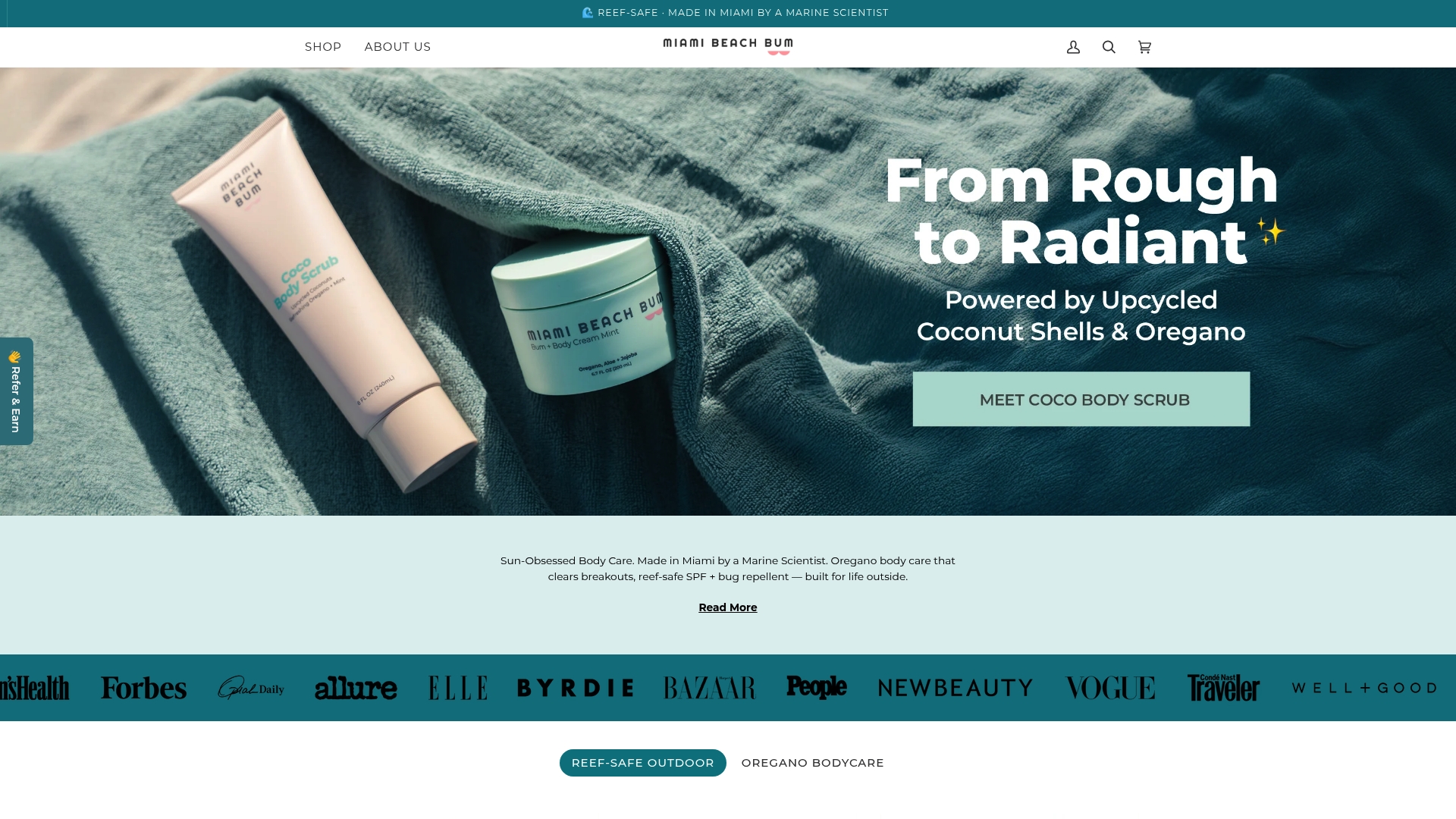
Miamibeachbum formulates body care specifically for people who spend real time in the sun. The Bum + Body Cream targets razor burn and body acne without heavy, pore-blocking ingredients. Pair it with the Bodyguard SPF30 for daily non-comedogenic sun protection that works with acne-prone skin, not against it.
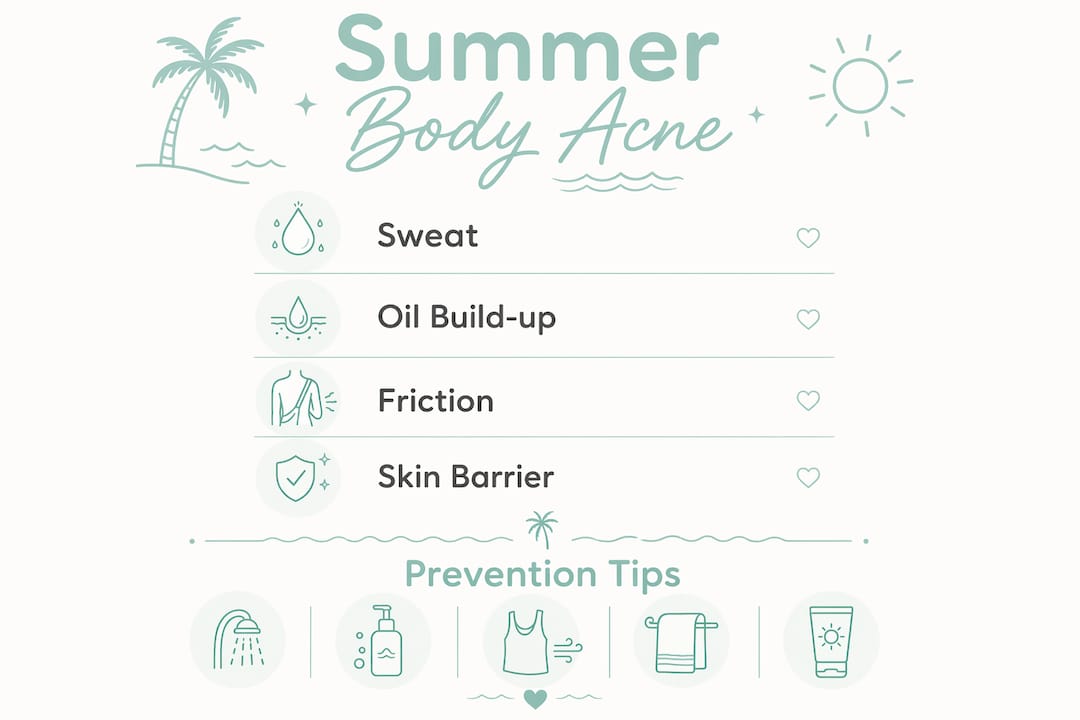
Key Takeaways
Summer body acne is driven by sweat, excess oil, friction, and skin barrier disruption, all of which are preventable with the right habits and product choices.
| Point | Details |
|---|---|
| Sweat is not the sole cause | Sweat combined with oil, dead skin cells, and bacteria clogs pores and triggers inflammation. |
| Friction creates acne mechanica | Tight clothing, backpacks, and wet swimwear force bacteria into follicles, requiring more than cleansing to resolve. |
| Sunscreen is non-negotiable | Non-comedogenic SPF 30+ prevents UV darkening of acne scars and must be used daily on acne-prone skin. |
| Skin barrier damage worsens acne | Over-scrubbing strips the barrier, causing the skin to overproduce oil and deepen the breakout cycle. |
| Shower promptly after sweating | Removing sweat and bacteria immediately after exercise is one of the most effective ways to prevent summer flare-ups. |