


Severe cuticle and pigment damage can’t be biologically reversed, but appearance and manageability improve fast once you stop the stress. Rinse and gently cleanse within hours of sun or pool exposure, then follow with a deep conditioner or leave-in and skip the heat tools. Long term, alternate moisture and protein, guard hair from UV and chlorine, and trim when ends split.
TL;DR:
- Immediate rinsing and conditioning after sun or pool exposure can significantly reduce protein and pigment breakdown in hair strands.
- A consistent four-week routine of hydrating shampoos, deep masks, and controlled protein treatments can improve hair texture and reduce tangling.
- Wearing UV-protective gear, rinsing hair before swimming, and avoiding heat tools during recovery accelerate repair benefits.
- Regular trims every 8 to 10 weeks are essential for managing split ends and promoting healthier hair growth during repair.
- Using targeted products like leave-in shields, scalp SPF, and outdoor repellents helps prevent future damage and supports ongoing recovery.
Table of Contents
- What Sun Damage Actually Does to Your Hair
- What to Do in the First Hours After Sun or Pool Exposure
- A 4-Week Routine to Rebuild Moisture and Strength
- Scalp Care and Knowing When to Trim
- Preventing the Next Round of Sun Damage
- Where Blocked SPF50, Hair Shield, and Totally Buggin’ Fit In
- What Realistic Repair Actually Looks Like
- Where This Advice Comes From
- Build Your Sun Recovery Kit With Miamibeachbum
- Sources
What Sun Damage Actually Does to Your Hair
Dullness, brittleness, tangling, and brassy color aren’t random. UV rays penetrate the outer cuticle layer and break down the proteins and pigments that keep hair smooth and colorfast. Saltwater and chlorine speed up the process by stripping the lipids that normally seal the cuticle shut.
Once that cuticle lifts, individual strands snag against each other, which is why beach hair tangles so much faster than it did in June. Signs to check for:
- Dullness that doesn’t respond to a normal wash
- Rough, raised texture you can feel when you run fingers down a strand
- Increased breakage or snapping, especially at mid-lengths
- Color fading to brassy orange or yellow tones, particularly on blonde or color-treated hair
- Tangling that starts higher up the shaft, not just at the ends
Fine, color-treated, and chemically processed hair takes the hardest hit because the protective cuticle layer is already thinner or compromised before the sun gets involved.
What to Do in the First Hours After Sun or Pool Exposure
The damage window is real, but so is the recovery window. What you do in the first few hours after a beach or pool day determines how much of that damage sticks around.
- Rinse with fresh water as soon as possible to flush out salt and chlorine before they keep drying out the hair shaft.
- Follow with a gentle, swimmer-specific or clarifying shampoo if there’s visible chlorine buildup or a stiff, coated feel.
- Apply a nourishing conditioner or leave-in immediately after rinsing to replace lost moisture and calm the raised cuticle.
- Detangle from the ends upward with a wide-tooth comb, never a fine brush on wet hair.
- Skip the blow dryer and flat iron that night, and protect the scalp with a hat or SPF if you’re still in direct sun.
Pro Tip: Keep a travel-size clarifying shampoo and leave-in in your beach bag. Treating hair within an hour of leaving the water does more than any product applied the next morning.
A 4-Week Routine to Rebuild Moisture and Strength
Repair works best as a rhythm, not a single dramatic treatment. A four-week window is usually enough to see a real shift in texture and shine if you stay consistent.
Weekly structure:
- Wash 2 to 3 times a week with a hydrating, sulfate-free shampoo
- Apply a deep-conditioning mask 1 to 2 times a week, focused mid-shaft to ends
- Use a bond-building or protein treatment once a week, not more
- Apply a leave-in or lightweight oil daily to reduce friction and lock in moisture
The moisture-versus-protein balance trips up more people than anything else in a repair routine. Protein treatments temporarily fill weakened spots in the shaft, but overdoing them makes hair feel stiff, straw-like, and prone to snapping instead of stretching. Alternate protein and moisture treatments, and let how your hair feels guide the schedule. If it feels stiff, skip protein for a week and lean on moisture.
This is also the window to pause color services, keyword balayage, or chemical straightening. Processed hair pulls double duty repairing from both the sun and the chemical service, so cutting heat styling to two or three times a week gives everything else room to work.
By week two or three, hair should tangle less and hold moisture longer between washes. If ends still catch or split despite consistent care, that’s your signal a trim is overdue, not a sign the routine failed.
Scalp Care and Knowing When to Trim
Recovery starts at the scalp. Treat it like the skin it is: a lightweight serum and occasional gentle exfoliation help clear the sunscreen and salt residue that builds up after beach and pool days, supporting healthier growth. Dermatologists specifically recommend protecting the scalp with SPF or a hat along exposed partings, where sunburn is easy to miss.
- Split ends need a trim. No mask or serum reattaches a split fiber.
- A micro trim (a quarter inch or less) works if damage is limited to the very tips.
- A blunt cut is worth it if breakage runs higher up the shaft.
- Plan on a trim every 8 to 10 weeks during active recovery, and tell your stylist you’re repairing sun damage so they check length against texture, not just split ends.
Preventing the Next Round of Sun Damage
The best repair routine is the one you don’t need next August. Prevention comes down to physical barriers and a few in-water habits.
- Wear a wide-brim hat, scarf, or UPF-rated fabric during peak sun hours (typically 10 a.m. to 4 p.m.)
- Apply a UV-protectant leave-in or hair sunscreen before heading out, and reapply after a few hours in direct sun
- Rinse hair with fresh water before swimming so it absorbs less chlorine or salt, then rinse again immediately after
- Wear a swim cap for serious pool time, and follow up with a swimmer-specific shampoo
- Swap cotton pillowcases and elastics for silk to cut down on friction, and always detangle from the ends first
Pro Tip: Wetting hair with clean water before you jump in the ocean or pool sounds backward, but saturated hair absorbs less salt and chlorine than dry hair does.
Reducing heat tool use on top of these habits compounds the benefit. Hair that isn’t fighting heat damage and sun damage at the same time repairs noticeably faster.
Where Blocked SPF50, Hair Shield, and Totally Buggin’ Fit In
None of these products reverse existing damage on their own, but each one covers a specific gap in the routine above.
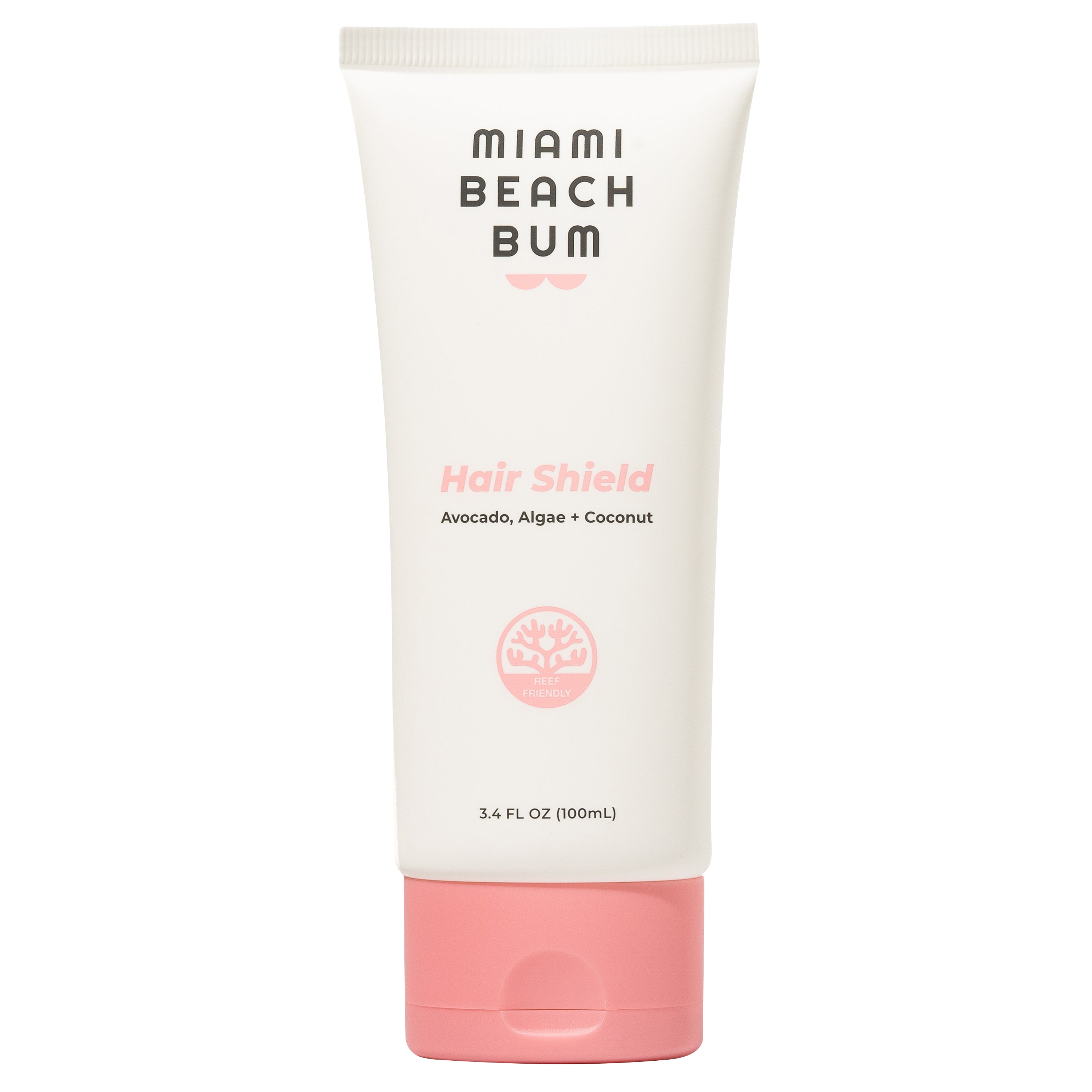
- Hair Shield works as the leave-in step before sun exposure or right after a rinse post beach or pool day, adding moisture and a layer of protection against further UV and salt stress.
- Blocked SPF50 is built for skin, so use it carefully along the scalp parting or hairline where skin is exposed between strands, not saturated through the hair itself.
- Totally Buggin’ belongs in the outdoor kit for bug protection during beach or trail days. It’s a body product, not a hair treatment, so keep it off the scalp and hair.
| Product | Best used | Frequency |
|---|---|---|
| Hair Shield | Pre-sun or post-rinse leave-in | Daily or after each swim |
| Blocked SPF50 | Scalp parting and hairline | Before extended sun exposure |
| Totally Buggin’ | Body, outdoor bug protection | As needed outdoors |
A dime-size amount of Hair Shield through mid-lengths and ends, applied while hair is still damp, integrates cleanly into the weekly routine described earlier without adding another step to remember.
What Realistic Repair Actually Looks Like
Marketing loves the word “reversible,” but hair fibers don’t regenerate once the cuticle and pigment break down. What actually changes is how the hair behaves and looks day to day, and that takes weeks of consistency, not a single miracle mask. If you’re also dealing with sunscreen buildup on skin or scalp, removing residue properly matters just as much as the hair routine itself. Follow the four-week plan, be patient with the trim schedule, and check the product pages for exact application details.
— Ayssa
Where This Advice Comes From
This guide draws on scalp and haircare guidance from the Cleveland Clinic, stylist-led repair advice from The Strategist, expert tips via USA Today, and product science from Wella Professionals.
Build Your Sun Recovery Kit With Miamibeachbum
Some brands make products suited to this routine without asking you to guess which formula does what. A leave-in conditioner can handle the step both before you enter the water and right after you rinse, while a mineral SPF can be applied to scalp partings that sunscreens might miss.
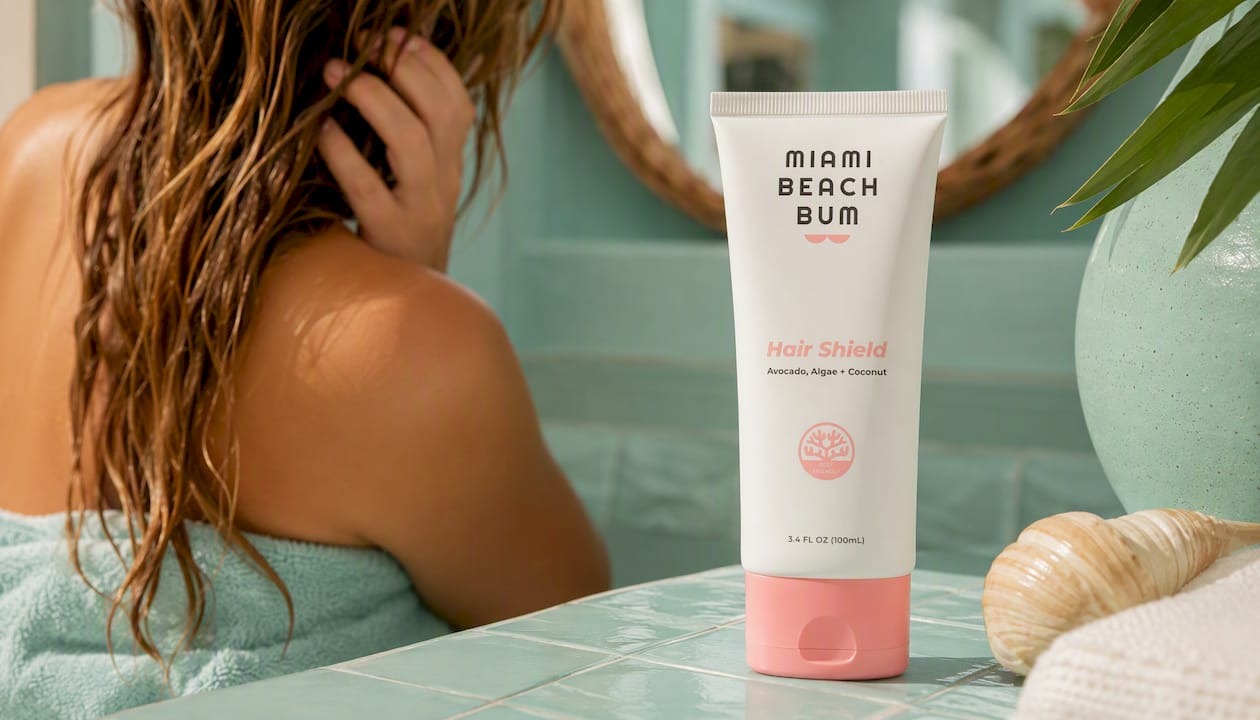
If you’re rebuilding a summer-damaged routine from scratch, start with the two products that show up in nearly every step above: pick up Hair Shield for daily protection and pair it with Blocked SPF50 for the parting and hairline your regular sunscreen never reaches. Add Totally Buggin’ to the bag for outdoor days, and check the full lineup at Miamibeachbum to build the kit around your own routine.
Sources
- How to fix sun-damaged hair for fall, according to a beauty expert
- How I’m Undoing This Summer’s Sun Damage to My Hair | The Strategist
- How To Protect Your Hair From Sun Damage | Cleveland Clinic
- How to Fix & Protect Sun-Damaged Hair | Wella Professionals