


To remove sunscreen residue, cleanse your face with an oil-first wash for 30 to 90 seconds, then follow with a water-based cleanser. On your body, rinse with lukewarm water for a few minutes before soaping, then target sticky zones with a gentle scrub. For hair, apply a pre-wash oil to your scalp for 10 to 30 minutes before a clarifying wash. Skip harsh sulfates and daily scrubbing, or you’ll trade sunscreen film for rebound oiliness.
TL;DR:
- Use lukewarm water to rinse salt and sweat from your skin for at least two minutes before applying any cleansers or scrubs.
- Double cleansing with an oil cleanser followed by a water-based cleanser is effective for heavy sunscreen or waterproof formulas, but often unnecessary for light daily use.
- Apply oil-based products to dry skin and massage for 30 to 90 seconds, then emulsify and rinse for proper oil-soluble sunscreen removal; avoid harsh scrubbing around the eyes.
- For post-beach body cleaning, rinse thoroughly beforehand, use gentle sulfate-light body washes, and exfoliate shoulders and back weekly to prevent buildup and breakouts.
- Removing sunscreen from hair typically requires pre-rinsing, applying a lightweight oil for 10 to 30 minutes, then clarifying shampoo and conditioning to avoid dryness or damage.
Table of Contents
- Quick Routine to Remove Sunscreen Residue After the Beach or a Workout
- How to Double Cleanse Your Face to Lift Sunscreen Film
- Post-Beach Body Cleanup That Won’t Trigger Breakouts
- Getting Sunscreen Out of Hair Without Stripping It Dry
- What Belongs in Your Sunscreen Removal Kit
- Troubleshooting Stubborn Residue by Skin and Hair Type
- Why We Formulate Around Gentle, Reef-Safe Removal
- The Products That Finish the Job
- Sources
Quick Routine to Remove Sunscreen Residue After the Beach or a Workout
When you’re sandy, sweaty, and just want the film gone, follow this order. Skipping the rinse step and going straight to soap is the most common mistake, since soap alone won’t dissolve hardened salt and sweat crystals sitting on top of your sunscreen.
- Rinse for a full two minutes with lukewarm water first, to loosen salt and sweat before any product touches your skin.
- Face: swipe with a micellar water or oil balm, then follow with a quick water-based rinse to clear what’s left behind.
- Body: wash normally, but give chest, shoulders, and buttocks extra attention with Coco Body Scrub if those areas feel filmy or are prone to breakouts.
- Hair: a non-aerosol dry shampoo buys you time between washes, but if you have minutes to spare, work a light pre-wash oil through your roots before you shampoo.
This sequence handles most days. Heavier sunscreen days, especially with waterproof formulas, call for the fuller routines below.
How to Double Cleanse Your Face to Lift Sunscreen Film
Sunscreen film is mostly oil-soluble, whether it’s a chemical filter or a mineral one suspended in a silicone carrier. Water alone slides right off it. That’s the entire logic behind double cleansing: an oil-based cleanser dissolves the oil-soluble film first, then a water-based cleanser sweeps away what’s left, including sweat, dead skin, and any water-soluble filters.
Here’s how to do it right:
- Apply an oil cleanser or cleansing balm to completely dry skin. Water at this stage stops the oil from binding to the sunscreen film, so resist the urge to splash your face first.
- Massage for 30 to 90 seconds, paying extra attention to your hairline, the sides of your nose, and your jawline, where sunscreen tends to pool.
- Add a small splash of warm water to emulsify the oil into a milky texture, then rinse.
- Follow with a gentle water-based cleanser for about 60 seconds, then rinse until your skin feels clean, not tight.
You don’t always need both steps. Dermatologists point out that double cleansing is often unnecessary for light, everyday sunscreen wear. If you’re using a chemical vs. mineral formula that isn’t labeled water-resistant, micellar water plus one gentle wash usually gets you clean. Save the full two-step version for waterproof, heavy-coverage, or all-day wear.
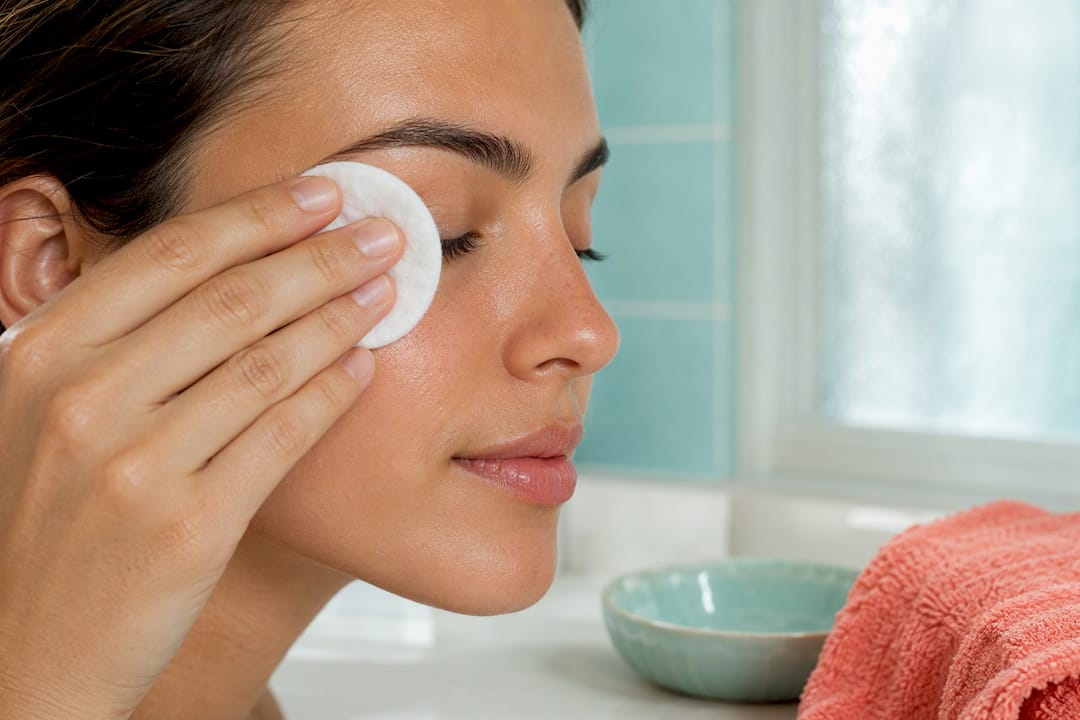
Two cautions: keep isopropyl alcohol away from your face, since it strips more than it cleans, and never scrub hard around your eyes. Use a cotton pad soaked in a gentle, fragrance-free remover and hold it against closed lids for a few seconds before wiping away.
Pro Tip: Apply your oil cleanser to bone-dry skin and set a timer for 60 seconds. Rushing this step is the number one reason oil cleansing “doesn’t work” for people who’ve tried it once and given up.
Post-Beach Body Cleanup That Won’t Trigger Breakouts
Salt and sweat crystallize on your skin as they dry, and that crust traps sunscreen against your pores. A two-minute lukewarm rinse before you touch a bar of soap or body wash dissolves that layer and makes everything after it more effective.
- Rinse first, for two full minutes, before applying any cleanser.
- Use a gentle, sulfate-light body wash for your everyday clean.
- Reserve Coco Body Scrub for shoulders, chest, and buttocks, one to two times a week, where residue and dead skin build up fastest.
- If you use an AHA or BHA exfoliant, keep contact time short and avoid applying it right after fresh sun exposure, when skin is already more reactive.
- Finish with a light, non-comedogenic moisturizer like Bum + Body Cream to calm irritation without clogging anything back up.
Pro Tip: If you break out on your chest or shoulders every summer, it’s rarely the sunscreen itself. It’s usually sunscreen mixed with dried sweat sitting under a bra strap or tank top for hours.
Getting Sunscreen Out of Hair Without Stripping It Dry
Mineral sunscreen particles cling to hair strands inside an oily or silicone carrier, and they need to be emulsified before they’ll rinse away clean. A two-phase approach works better than shampoo alone, especially if you’ve reapplied sunscreen more than once in a day.
- Pre-rinse for at least two minutes with lukewarm water. This softens hardened salt and sweat before you add any product.
- Apply a lightweight oil or conditioner to your scalp’s “hot zones,” meaning your hairline and part line, and let it sit for 10 to 30 minutes. Fine hair needs less product and less time; thick or coarse hair can handle more of both.
- Wash with a gentle clarifying shampoo. Look for mild surfactants rather than heavy sulfates, and rinse until the water runs clear. On heavy-buildup days, a second, shorter wash finishes the job.
- Follow with a hydrating conditioner or mask to replace moisture the clarifying step pulled out.
Clarifying once a week works for most people who wear sunscreen daily; stretch it to every other week if your scalp or ends start feeling dry. Overdoing it backfires: harsh sulfates strip barrier lipids and can push your scalp into rebound oil production, which just means more grease by day three instead of less. Plant-derived surfactants and non-aerosol dry shampoos tend to clean effectively without that trade-off.
Pro Tip: If your hair is curly, coiled, or color-treated, lean on the conditioner pre-treatment and skip anything with baking soda. Baking soda’s pH is rough on both color and curl pattern, and a sulfate-free clarifier gets the same result more gently.
What Belongs in Your Sunscreen Removal Kit
A handful of product categories cover almost every scenario above: an oil cleanser or balm, a gentle water-based face wash, a mild clarifying shampoo, a non-aerosol dry shampoo, a lightweight pre-wash hair oil, a body scrub, and a non-comedogenic moisturizer.
Here’s where Miamibeachbum products slot in:
- Hair Shield works as your leave-in pre-treatment, applied to damp hair before a beach day to make the sunscreen that lands on your strands easier to rinse out later.
- Coco Body Scrub handles the physical exfoliation step on chest, shoulders, and buttocks, used one to two times weekly.
- Bum + Body Cream is your post-wash step, applied to clean, dry skin to calm irritation and address body acne without adding oil back to the surface.
- Blocked SPF50 is the mineral sunscreen you’re likely removing in the first place, and knowing its formula helps you pick the right cleansing method.
Troubleshooting Stubborn Residue by Skin and Hair Type
If sunscreen film won’t budge after a full routine, check the label. Silicone-heavy formulas and mineral sunscreens with zinc oxide often need a second, more deliberate oil cleanse or pre-treatment cycle rather than more scrubbing.
- Breakout-prone body skin: switch from whole-body scrubbing to gentle exfoliation plus a targeted spot treatment on problem areas, instead of attacking your entire torso with a rough scrub.
- Sensitive skin: cut contact times in half, and skip baking soda or apple cider vinegar rinses entirely unless heavily diluted and followed by a conditioning step.
- Curly or coily hair: rely on conditioner-based pre-treatments and sulfate-free clarifying shampoos; aggressive baking-soda scrubs do more damage than the sunscreen ever would.
- Persistent buildup after your usual routine: repeat the pre-treatment and clarifying wash once more before assuming you need a stronger product.
Why We Formulate Around Gentle, Reef-Safe Removal
Miamibeachbum leans on marine scientist–led product education because most sunscreen removal advice ignores what actually happens to your skin, your hair, and the ocean afterward. Chemical and mineral filters behave differently on your skin, and they deserve different removal steps, not a one-size-fits-all scrub. That’s why we favor plant-derived surfactants over harsh sulfates and non-aerosol dry shampoo formats over aerosol cans. Browse our product pages when you’re ready to build out your own routine.
— Ayssa
The Products That Finish the Job
Removing sunscreen residue isn’t just about getting clean. It’s about not undoing your skin barrier in the process, which is exactly what a lot of drugstore scrubs and sulfate-heavy shampoos end up doing.
Miamibeachbum built its aftercare lineup specifically around that gap, using marine-derived and botanical ingredients instead of the harsh stuff that leaves your skin tighter and your scalp oilier by day three. A few places to start:
- Bum + Body Cream as your post-cleanse moisturizer for body acne and irritation.
- Hair Shield as a leave-in pre-treatment before beach days, so sunscreen rinses out easier later.
- Blocked SPF50 if you’re shopping for a mineral sunscreen that pairs well with this removal routine from the start.
If you want to try more than one product before committing, the Bodycare Discovery Set bundles a few together at once. Start with whichever step in your routine feels the most unsolved right now, and build from there.
Sources
- PMC article on skin barrier and surfactant effects
- How to remove sunscreen properly | The Inkey List
- Double Cleansing: Benefits and Does it Work | The Cut
- Sweat, sunscreen & summer scalp buildup: How to keep your scalp healthy - The Earthling Co.