


Ingrown hair prevention comes down to one routine: soften hair with warm water before shaving, cut with the grain using short, gentle strokes, skip stretching your skin, then exfoliate two to three times a week and moisturize right after. Curly and coarse hair needs extra care because the shaft curls back into the follicle more easily. Lyster Army Health Clinic’s shaving guidance and peer-reviewed dermatology research on pseudofolliculitis barbae both back this approach, and post-shave skincare recommendations can be built around this approach.
TL;DR:
- Using a single-blade razor or guard prevents cutting below the skin, especially for curly or coarse hair, reducing the likelihood of ingrown hairs.
- Exfoliating two to three times weekly with salicylic or glycolic acid prevents dead skin buildup that traps hairs without damaging the skin barrier.
- Replacing blades every three to five shaves minimizes trauma caused by dull blades, which can increase skin irritation and ingrown hairs.
- Avoiding stretching the skin during shaving and limiting to one or two light strokes in the direction of hair growth decreases follicle trauma.
- Wearing loose, breathable clothing after shaving prevents friction and inflammation that can lead to ingrown hairs, especially on the bikini line and legs.
Table of Contents
- A Daily and Weekly Ingrown Hair Prevention Checklist
- How Should You Actually Shave to Avoid Ingrown Hairs?
- What’s the Best Exfoliation Routine for Preventing Ingrown Hairs?
- When Should You Stop Shaving and See a Dermatologist?
- Who’s Behind This Prevention Guide?
- Do Your Clothes Make Ingrown Hairs Worse?
- Do Everyday Habits Affect Your Risk of Ingrown Hairs?
- A Realistic Take on Chasing the Perfectly Smooth Shave
- A Gentle Moisturizer Built for the Step Right After Shaving
- Sources
- FAQ
A Daily and Weekly Ingrown Hair Prevention Checklist
Print this, save it, or just run through it mentally before you pick up a razor. The order matters more than most people think.
- Soften first. Stand under warm water or hold a warm compress on the area for a few minutes before you shave. Hair that’s hydrated cuts cleaner and retracts less sharply.
- Cleanse the skin. Remove oil and dead skin buildup so the razor glides instead of dragging.
- Apply a generous layer of shaving gel or cream. A dry pass is one of the fastest ways to nick follicles and trigger irritation.
- Shave with the grain. Use a single blade or a guarded clipper, short light strokes, and never stretch the skin taut to chase a closer cut.
- Limit passes. One clean pass beats three aggressive ones.
- Rinse cool and moisturize. An alcohol-free, fragrance-free cream (something in the same category as Bum + Body Cream) supports the skin barrier right when it needs it most.
- Skip tight clothing for a few hours if you shaved a friction-prone area like the bikini line or underarms.
- Exfoliate two to three times weekly to keep hair tips from getting trapped under dead skin.
- Replace your blade regularly. A dull blade forces you to press harder, which is exactly what you’re trying to avoid.
Pro Tip: Swap your razor blade every three to five shaves, even if it still looks sharp. NHS guidance on ingrown hairs points to blade dullness as one of the most overlooked causes of repeated irritation.
How Should You Actually Shave to Avoid Ingrown Hairs?
Good technique isn’t complicated, but it does require unlearning a few habits most people picked up by accident. Here’s the five-step version clinicians and military shaving guidance both point to.
- Prep the skin with warm water for several minutes. Cold, dry skin makes hair brittle and harder to cut cleanly.
- Choose the right tool for your hair type. A single-blade razor or a clipper with a guard causes less trauma than a five-blade cartridge, especially on curly or coarse hair. Multi-blade razors cut below the skin’s surface more often, which sounds like a benefit until that hair tries to grow back and curls sideways into the follicle instead.
- Keep strokes short and light, always in the direction the hair grows, never against it.
- Never stretch the skin to get a closer shave. This is the single most common mistake, and it’s the one Lyster’s shaving guidance calls out directly: pulling skin taut lets the blade cut hair below the surface, and once the skin relaxes, that hair tip is already trapped.
- Limit yourself to one or two passes. Going over the same patch of skin repeatedly multiplies the odds of nicking a follicle.
Blade maintenance matters more than people give it credit for. A worn blade requires more pressure, and more pressure means more skin trauma and a higher chance of an ingrown hair forming within days.
Pro Tip: If you’re prone to ingrown hairs on your legs or bikini line, try shaving in the evening instead of right before you get dressed. Skin has time to calm down overnight instead of sitting under tight clothing while still irritated.
What’s the Best Exfoliation Routine for Preventing Ingrown Hairs?
Exfoliating two to three times a week is the frequency dermatology-backed sources at the University of Rochester Medical Center point to for most skin types. That cadence clears dead skin off the follicle opening often enough to stop hairs from getting trapped, without stripping the skin barrier the way daily scrubbing can.
The method matters as much as the frequency:
- Salicylic acid (BHA) works well for oily or acne-prone skin because it’s oil-soluble and can get inside the follicle itself.
- AHAs like glycolic acid suit drier or more sensitive skin, working on the surface rather than deep in the pore.
- Physical scrubs are fine for tougher areas like calves, but they’re too abrasive for the bikini line, underarms, or neck.
Anyone using retinoids or benzoyl peroxide alongside shaving should introduce them gradually and under guidance, since both increase skin sensitivity. That sensitivity extends to sun exposure. Pairing actives with daily sunscreen isn’t optional; skipping it is how people end up with irritation and discoloration stacked on top of the ingrown hairs they were trying to treat.
Roughly nine in ten ingrown hair cases trace back to curved or curly hair combined with cutting trauma, which is exactly why exfoliation and gentle technique matter more for textured hair than for straight hair. If sun protection during outdoor activity is a factor in your routine, Miamibeachbum’s outdoor skin protection line covers that base too.
When Should You Stop Shaving and See a Dermatologist?
Most ingrown hairs resolve on their own within a week or two. Pseudofolliculitis barbae (PFB) is a different animal: widespread pustules, visible scarring, or inflammation that keeps coming back in the same spots means it’s time to see a clinician rather than push through with the same routine.
Treatment escalates in stages, and the Army technical bulletin on PFB management lays out a sequence dermatologists still rely on:
- Topical retinoids to normalize how skin cells shed and reduce follicle plugging.
- Benzoyl peroxide, sometimes combined with clindamycin, for cases with active inflammation or infection risk.
- Oral doxycycline for more severe, widespread inflamed cases, prescribed and monitored by a clinician.
- A shaving break with a clipper guard set to 1 to 3 millimeters, letting hair grow just enough to stop the cycle of cutting and regrowth trauma.
- Laser hair removal for people who’ve cycled through repeated flare-ups and want a longer-term fix rather than a daily management routine.
A short shaving break often calms things down within a few weeks. If it doesn’t, that’s the signal to bring in a professional rather than keep adjusting the routine solo.
Who’s Behind This Prevention Guide?
This guide comes from a product formulation that leans on marine science and skincare recommendations tracking US medical guidance, including military shaving protocols and peer-reviewed dermatology research. For more on the mechanics behind trapped hairs and skin inflammation, read Miamibeachbum’s deeper explainer on folliculitis and skin health, or the related guide on treating strawberry legs if inflamed, bumpy skin after shaving is the specific issue you’re dealing with.
Do Your Clothes Make Ingrown Hairs Worse?
Tight clothing over freshly shaved skin is one of the most underrated triggers for ingrown hairs, especially on legs, underarms, and the bikini line. Fabric rubbing against irritated follicles keeps them inflamed and increases the odds a healing hair tip gets pushed sideways instead of growing straight out.
Loose, breathable fabrics like cotton give skin room to recover after a shave. Synthetic materials that trap heat and moisture, think tight leggings, compression shorts, or nylon underwear worn right after shaving, create a warm, damp environment that irritated follicles do not need. If you work out regularly, consider shaving in the evening instead of right before a gym session, so skin isn’t sitting under sweaty, friction-heavy fabric while still recovering.
Seams matter too. Underwear or activewear with thick seams running directly over the bikini line or upper thigh can rub the same patch of skin for hours. Switching to seamless styles in that specific zone, even temporarily after shaving, cuts down on repeated friction in the exact spot most prone to bumps.
Anyone who shaves and then heads straight to the beach or pool should also think about fabric choice for swimwear. Wet fabric clinging to freshly shaved skin for an extended period, combined with salt or chlorine exposure, is a recipe for irritation. Rinsing off and changing into dry, loose clothing as soon as possible after swimming gives skin a better chance to settle.
Do Everyday Habits Affect Your Risk of Ingrown Hairs?
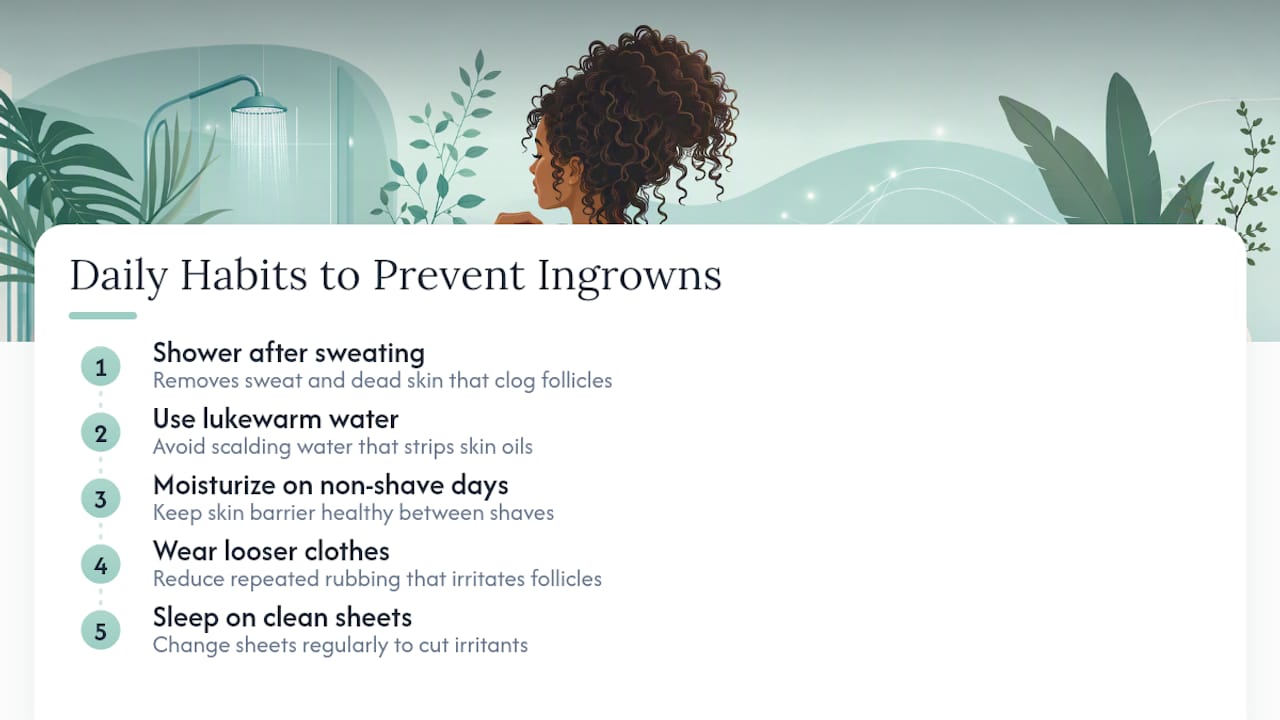
Hygiene and friction habits outside of shaving day matter more than most people realize. Sweat, dirt, and dead skin cell buildup clog follicles the same way they do on the face, which is why people who exercise often and don’t shower soon after tend to see more ingrown hairs on their legs and bikini line.
Repetitive friction from daily routines adds up quietly. Sitting for long stretches in tight pants, carrying a bag with a strap that rubs the same shoulder or underarm area, or sleeping in fabric that bunches against freshly shaved skin all contribute to the same problem: constant low-level irritation that keeps follicles from healing cleanly.
Showering with lukewarm rather than scalding water helps too, since very hot water can strip the skin’s natural oils and leave it more reactive to the friction and shaving that follow. Keeping the skin’s barrier intact with regular moisturizing on non-shave days, not just after shaving, builds a buffer against everyday irritation.
Smoking and poor sleep don’t directly cause ingrown hairs, but both slow skin healing generally, which means any follicle irritation you do get takes longer to resolve and has more time to develop into a visible bump. Small, boring habits, showering after sweating, wearing looser clothes, sleeping on clean sheets, do more for long-term prevention than any single product.
A Realistic Take on Chasing the Perfectly Smooth Shave
The closest possible shave and the healthiest skin are often working against each other. A little stubble isn’t a failure, it’s often the safer choice for anyone prone to bumps.
Try a quick morning routine (rinse, lubricate, one pass, moisturize) on low-friction days, and save a slower evening routine (warm soak, careful multi-step shave, overnight recovery time) for when skin needs to reset. Small changes, an earlier blade swap, an evening shave instead of a rushed morning one, tend to matter more than any single product switch.
— Ayssa
A Gentle Moisturizer Built for the Step Right After Shaving
Every routine above ends the same way: rinse, then moisturize. That’s the step where skin either calms down or stays irritated for the rest of the day, and it’s the exact gap Bum + Body Cream is formulated to fill. It’s non-comedogenic and made with botanical and marine ingredients, no petroleum, no harsh fragrance load fighting against skin that’s already been through a razor.
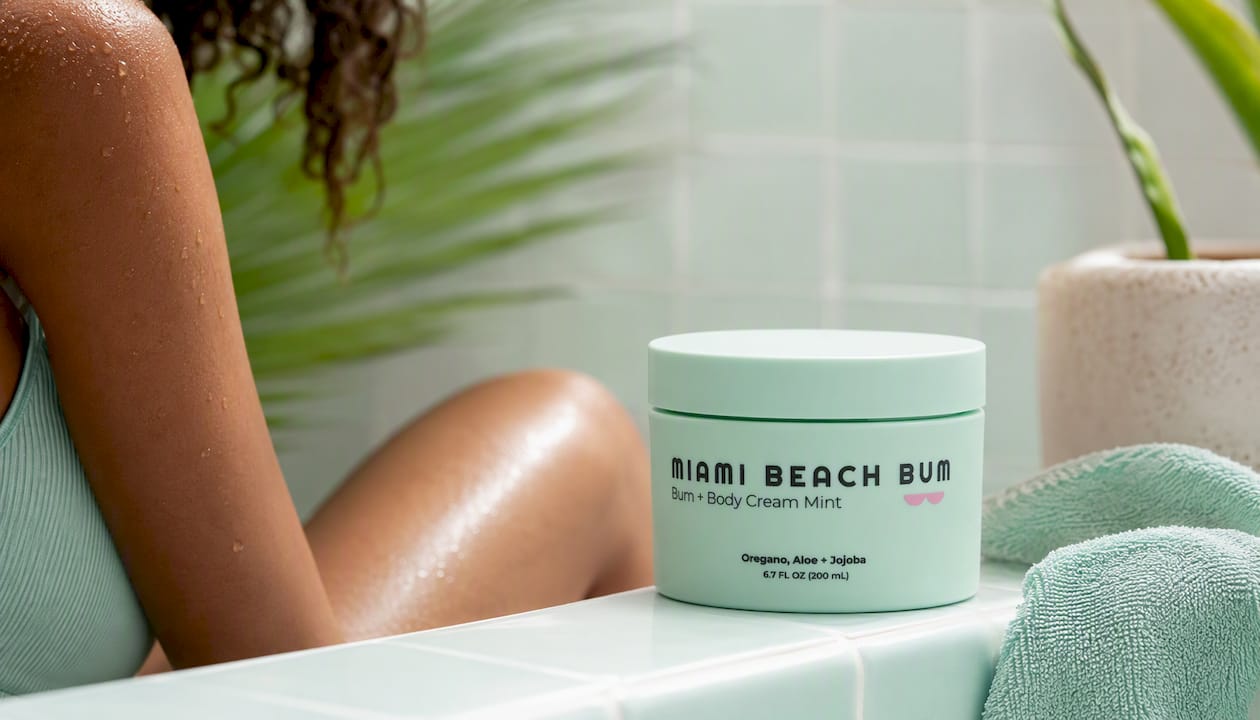
Patch test on a small area first, especially if your skin reacts easily, then work it into your post-shave habit on legs, underarms, or anywhere you’re managing ingrown hairs. If body breakouts alongside ingrown hairs are part of your situation, browse the full Bodycare line for products formulated around the same breakout-prone, sensitive-skin focus. Pick up a jar and make it the last step of your next shave.
This article is general information, not a substitute for advice from a qualified doctor. Consult a qualified healthcare professional about your own circumstances before acting on anything here.
Sources
FAQ
Why Am I So Prone to Ingrown Hairs?
Curly or coarse hair curls back into the follicle more easily than straight hair, which is why textured hair types see ingrown hairs far more often. Shaving trauma, dead skin buildup, and tight clothing all add to that underlying risk, as dermatology research on pseudofolliculitis barbae explains.
What Naturally Draws Out an Ingrown Hair?
A warm compress held on the area for several minutes softens skin and can help an embedded hair work its way toward the surface on its own. Gentle exfoliation afterward helps too, but picking or squeezing should be avoided since it raises the risk of scarring and infection.
Is It Okay to Squeeze Out Ingrown Hairs?
No, squeezing or picking at home isn’t recommended, since it can push the hair deeper or introduce bacteria into the follicle. If a hair is visible and not inflamed, a clinician can safely lift it using sterile technique rather than fingers or unsterilized tweezers.
What Is the Best Product to Prevent Ingrown Hairs?
There’s no single product that prevents ingrown hairs on its own. A gentle exfoliant used two to three times weekly paired with a non-comedogenic, fragrance-free moisturizer like Bum + Body Cream after every shave covers both sides of the routine: clearing trapped hair tips and supporting the skin barrier.