


Yes, some sunscreen ingredients, mainly organic (chemical) UV filters like oxybenzone and octinoxate, have shown hormone-disrupting activity in lab and biomonitoring studies. That doesn’t mean you should skip sun protection: skin cancer risk is well established, while the human health impact of these filters remains a matter of dose, exposure pattern, and ongoing research. The practical path is understanding which filters raise the most questions, what regulators are doing about it, and how to lower your exposure without losing UV coverage.
TL;DR:
- Oxybenzone, octinoxate, and homosalate are associated with hormone changes in studies and are under regulatory review due to potential endocrine activity.
- Systemic absorption occurs in actual sunscreen use, especially with ingredients like oxybenzone and octocrylene, but evidence of harm remains inconclusive.
- Mineral sunscreens with non-nano zinc oxide or titanium dioxide offer a safer option, particularly for pregnant individuals and children.
- Inhalation from spray sunscreens significantly increases systemic exposure risk, so careful application or avoiding sprays is advisable.
- Regulatory agencies are acting gradually, with some restrictions on concentration levels and bans on reef-damaging ingredients while definitive human safety data continue to develop.
Table of Contents
- What Human Evidence Shows About Endocrine Disruptors in Sunscreen
- Why Lab and Animal Studies Don’t Map Directly to Human Sunscreen Use
- Which Sunscreen Ingredients Raise the Most Concern?
- How Are Regulators Responding to Sunscreen Chemical Concerns?
- How to Choose a Safer Sunscreen Without Losing Protection
- Who’s Behind This Research and Why It Matters
- What This Research Actually Tells Us to Do
- Lower Your Exposure Without Skipping Sun Protection
- Sources
- FAQ
What Human Evidence Shows About Endocrine Disruptors in Sunscreen
Biomonitoring studies have found sunscreen chemicals in places nobody expected to look ten years ago: blood, urine, breast milk, seminal fluid, and cord blood. That last one matters most to a lot of readers, because it means these compounds can cross the placenta.
Benzophenone-3 (BP-3, commonly labeled oxybenzone) is the most studied of the bunch. Octocrylene and its breakdown products show up in similar testing, and a 2014 to 2024 literature review synthesizing 75 studies found consistent associations between organic UV filter exposure and measurable shifts in thyroid and reproductive hormone levels. The review doesn’t claim causation in every case, but the pattern across dozens of independent studies is hard to dismiss as noise.
The most direct evidence of systemic absorption comes from the FDA itself. Its randomized clinical trials measured plasma levels in volunteers who applied sunscreen exactly as instructed on the label, four times a day, over a large body surface area. Avobenzone, oxybenzone, octocrylene, and ecamsule all showed up in blood at levels exceeding the FDA’s own threshold for further safety testing, after just one day of use in some cases.
What that finding means: the FDA’s absorption threshold triggers additional toxicology review. It is not, by itself, evidence of harm. It’s a regulatory tripwire, and it tripped.
A few things biomonitoring and clinical research have turned up so far:
- BP-3 and its metabolites appear in a very high proportion of urine samples tested in U.S. population studies, reflecting how widespread exposure already is across personal care products, not sunscreen alone.
- Cord blood and breast milk testing confirms that maternal exposure to chemical filters can reach a developing fetus or nursing infant.
- Epidemiological studies have reported associations between BP-3 exposure and altered thyroid hormone levels, along with changes in some reproductive markers.
- Sperm parameter studies show mixed results. Some cohorts report associations with UV filter exposure; others find none, which is typical for early-stage human epidemiology.
Here’s the caveat that gets buried in a lot of headlines: association is not causation, and effect sizes in these human studies tend to be small compared to the doses used in animal experiments. Confounding variables (diet, other cosmetic exposures, occupational chemical contact) make it hard to isolate sunscreen as the sole driver of any single hormone shift. That uncertainty cuts both ways. It means the risk probably isn’t as dramatic as the scariest headlines suggest, but it also means nobody can currently say with confidence that typical sunscreen use is risk-free at the hormonal level. If you’ve ever wondered why you’re allergic to chemical sunscreen and break out in a rash after applying it, this systemic absorption is part of the reason dermatologists take sunscreen allergy reports more seriously than they used to.
Why Lab and Animal Studies Don’t Map Directly to Human Sunscreen Use
Most of the alarming endocrine data on sunscreen chemicals comes from animal models and in vitro cell studies, not from people using sunscreen the way you actually use it. Understanding the gap between those studies and your bathroom cabinet is the difference between informed caution and needless panic.
Three mechanistic pathways show up repeatedly in the literature:
- Estrogen and androgen receptor modulation. Several chemical filters bind weakly to hormone receptors, mimicking or blocking natural hormone signaling in cell-culture assays.
- Thyroid disruption via transthyretin binding. Some UV filters compete with thyroid hormone for binding sites on transthyretin, the transport protein that shuttles thyroid hormone through the bloodstream. A thyroid-focused review found both in vitro and in vivo evidence that organic UV filters interfere with this transport mechanism, which matters most during fetal brain development.
- Metabolite accumulation. Octocrylene degrades over time, in the bottle and on skin, into benzophenone, a compound with its own endocrine and carcinogenicity concerns flagged in animal studies.
Octinoxate (OMC) is the filter with the broadest reported hormonal footprint. A review of ultraviolet-B filter research found OMC displayed estrogenic, anti-androgenic, anti-progestogenic, and anti-thyroid activity across multiple lab studies. That’s four distinct hormonal pathways implicated in a single ingredient, which sounds alarming until you look at how those studies were dosed.
Here’s the part that gets lost in translation from lab bench to bathroom shelf: many of these animal studies use oral gavage or injection at doses many times higher than what a person absorbs through skin during normal sunscreen use. Dermal exposure, the actual route for sunscreen, is a much slower and lower-volume pathway than force-feeding a rodent a concentrated dose. That doesn’t erase the concern. It reframes it. The mechanisms are real and worth tracking, but extrapolating a high-dose oral rat study directly onto a person rubbing lotion on their shoulders overstates the likely risk at typical topical use.

One exposure route deserves separate attention: inhalation. Spray and powder sunscreens introduce particles into the respiratory tract, a pathway essentially absent from the dermal-only studies that make up most of the endocrine research. If you’re trying to limit systemic uptake, sprays are where the exposure math changes the most, particularly around the face where inhalation is hardest to avoid.
Which Sunscreen Ingredients Raise the Most Concern?
Not every UV filter carries the same evidence load. Here’s how the most common ones stack up when you actually read the research instead of the marketing copy on either side of the debate.
- Oxybenzone (BP-3). The most biomonitored chemical filter on the market, detected in the vast majority of tested urine samples in the U.S. Associated with thyroid hormone shifts in several studies and flagged for aquatic toxicity, including coral bleaching effects documented by NOAA that led Hawaii and other coastal jurisdictions to restrict its sale.
- Homosalate. Long considered a lower-concern filter, but recent regulatory reviews have flagged it for potential endocrine activity and for exceeding safety margins under certain exposure scenarios, prompting the EU to lower its permitted concentration in recent years.
- Octinoxate (OMC). Shows the broadest range of hormonal activity in lab studies, estrogenic, anti-androgenic, anti-progestogenic, and anti-thyroid, though human-level evidence remains limited compared to the animal data.
- Octocrylene. Degrades into benzophenone over time, both in storage and on skin, raising concerns independent of its own direct activity. Detected reliably in human biomonitoring alongside BP-3.
- Avobenzone. Effective broad-spectrum protection with less endocrine-specific evidence than the others, but it’s a known photoallergen. Photopatch testing that used 48-hour occlusion detected substantially more allergic reactions to avobenzone and oxybenzone than the standard 24-hour test, meaning some sunscreen allergies have likely been under-diagnosed for years.
- BP-1 and BP-2. Minor-use benzophenone derivatives, structurally similar to BP-3, with a smaller but growing body of endocrine research pointing in the same direction.
- Zinc oxide and titanium dioxide. Mineral filters that work by sitting on the skin’s surface rather than absorbing into it. Current evidence shows minimal systemic absorption in non-nanoparticle form, making them the filters with the cleanest safety profile among people trying to avoid endocrine-active ingredients.
The nanoparticle question comes up constantly with mineral sunscreens, and it deserves a straight answer rather than a dismissal. Miamibeachbum’s breakdown of nanoparticle research walks through why current evidence points to low systemic risk when zinc oxide and titanium dioxide particles are used as directed on intact skin. If label transparency matters to you, look for “non-nano” on the packaging, which indicates particle sizes formulated specifically to stay on the skin surface rather than penetrate it.
For a side-by-side on formulation philosophy, the chemical versus mineral sunscreen comparison covers texture, reef safety, and application differences beyond just the endocrine question. And if octocrylene specifically is what brought you here, the octocrylene safety deep-dive walks through the benzophenone degradation issue in more detail.
How Are Regulators Responding to Sunscreen Chemical Concerns?
Regulatory bodies aren’t waiting for perfect certainty before acting, and their timelines tell you a lot about how seriously agencies take the emerging data.
The FDA’s response has been methodical rather than reactive. After its absorption trials confirmed systemic uptake, the agency didn’t ban the ingredients. It reclassified them as needing more data. Under the Federal Register’s OTC sunscreen rulemaking, only zinc oxide and titanium dioxide currently hold “generally recognized as safe and effective” (GRASE) status without conditions. The other twelve active ingredients, including oxybenzone, octinoxate, and octocrylene, remain in a regulatory holding pattern, sold under grandfathered status while the FDA requests additional safety data from manufacturers.
Australia’s Therapeutic Goods Administration (TGA) has taken a more active posture on specific filters, adjusting concentration limits and requiring updated safety assessments as new endocrine research accumulates. The EU has moved the fastest on homosalate specifically, lowering its maximum permitted concentration in cosmetic products following a scientific committee review that flagged safety margin concerns at the previously allowed levels.
A few regulatory threads worth tracking:
- The FDA’s proposed order system means ingredient status can change without new legislation, just updated agency findings.
- The EU’s Scientific Committee on Consumer Safety re-evaluates UV filters on a rolling basis, and its opinions often move faster than U.S. rulemaking.
- Environmental regulations are moving independently of health regulations. Hawaii, Key West, and several Pacific island nations have banned oxybenzone and octinoxate sales specifically over coral reef damage, not human health.
- No major regulator has banned any chemical UV filter for human endocrine safety reasons as of this writing. The action so far has been concentration limits, data requests, and reef-driven sales restrictions.
The gap between U.S. and EU timelines partly reflects different regulatory philosophies. The EU tends to act on emerging signals with a precautionary lean, while the FDA’s OTC drug framework requires more extensive data before changing an ingredient’s status. Neither approach is wrong. They’re just different risk tolerances applied to the same evidence base.
How to Choose a Safer Sunscreen Without Losing Protection
Skipping sunscreen isn’t the answer to any of this. Skin cancer has a well-documented, direct causal relationship with UV exposure. Endocrine disruption from sunscreen chemicals is a real but still-uncertain signal. Weigh those two risks honestly and sunscreen still wins.
Here’s how to lower your chemical exposure without giving up UV coverage:
- Choose mineral over chemical filters when practical. Zinc oxide and titanium dioxide formulations avoid the biomonitoring and endocrine questions attached to oxybenzone, octinoxate, and homosalate almost entirely.
- Check for “non-nano” on mineral sunscreen labels. This confirms particle sizes designed to sit on the skin’s surface rather than penetrate it.
- Skip sprays and powders where you can, especially for infants and pregnant people. Spray application introduces an inhalation exposure pathway that dermal-only research doesn’t capture, and it’s much harder to control application thickness on a squirming toddler.
- Read past the front label. Look for oxybenzone, octinoxate, homosalate, and octocrylene by name on the ingredient list. Products marketed as “reef-safe” have usually already dropped oxybenzone and octinoxate specifically.
- Layer non-chemical protection. UPF clothing, wide-brim hats, and seeking shade during peak UV hours (typically 10 AM to 4 PM) reduce how much sunscreen you need to apply in the first place.
- Reapply based on activity, not the clock. Every two hours is the standard, but swimming or heavy sweating shortens that window regardless of SPF number.
Pregnant people and infants deserve extra caution given the cord blood and breast milk detection data, and mineral sunscreen is generally the more conservative choice during pregnancy and for children under six months, who shouldn’t have much direct sun exposure anyway. Heavy daily users, people who apply sunscreen to large body surface areas every day for outdoor work, also carry more cumulative exposure than someone applying it occasionally at the beach, which makes formulation choice matter more for that group specifically.
Pro Tip: If you get an itchy rash after chemical sunscreen but never with mineral formulas, ask your dermatologist about photopatch testing with 48-hour occlusion rather than the standard 24-hour version. Research shows the longer window catches significantly more sunscreen photoallergies that shorter testing misses entirely.
For the spray-specific inhalation question, Miamibeachbum’s guide to spray sunscreen safety covers safer application techniques if you’re not ready to give up the format entirely. And if you’ve encountered sensational claims that made you want to avoid sun protection altogether, the myth-busting piece on sunscreen’s reputation separates the overblown claims from the legitimate ones.
Who’s Behind This Research and Why It Matters
This piece was researched and written by Ayssa for Miamibeachbum, a body care brand built around sun protection and marine-safe formulation, which means the endocrine disruptor question isn’t an abstract debate here. It’s a formulation decision made every time a new product goes into development.
Miamibeachbum’s products are formulated by a marine scientist with reef safety and ingredient sourcing as founding constraints, not afterthoughts added for a marketing claim. That background shapes how the brand reads the biomonitoring and regulatory literature: with an eye toward what’s actionable for a real person standing in a drugstore aisle, not just what’s technically true in a lab.
A few resources worth bookmarking if this topic sent you down a research hole:
- The chemical versus mineral sunscreen primer for formulation basics.
- The octocrylene safety analysis for a deeper look at one specific filter.
- The nanoparticle safety article for anyone weighing mineral sunscreen concerns against chemical ones.
What This Research Actually Tells Us to Do
The conventional advice on this topic splits into two unhelpful camps: dismiss the endocrine concerns entirely, or treat every chemical filter like it’s confirmed to cause harm. Neither holds up against the actual research. The FDA’s own absorption data proves systemic uptake happens. The literature review covering a decade of studies shows a real, if modest, hormonal signal for several filters. That’s not nothing, and it’s not a five-alarm fire either.
What gets underrated in most coverage of this topic is the exposure route distinction. A dermal application and an oral gavage study are not the same risk, and treating them as interchangeable is where a lot of sunscreen fearmongering goes wrong. What gets overrated is the idea that avoiding sunscreen altogether is the safer choice. It isn’t, not against a cancer risk this well documented.
If you take one thing from this: prioritize mineral filters when you can, save chemical sunscreens for situations where texture or water resistance genuinely matters more, and stop treating sunscreen choice as a binary between toxic and safe. It’s a spectrum, and you get to choose where on it you’re comfortable.
— Ayssa
Lower Your Exposure Without Skipping Sun Protection
An effective approach to outdoor body care starts from the principles of mineral-first formulation, reef-safe ingredients, and no petroleum or unnecessary chemical fillers. If reducing your exposure to flagged UV filters is the goal, the product choices around your sunscreen routine matter as much as the sunscreen itself.
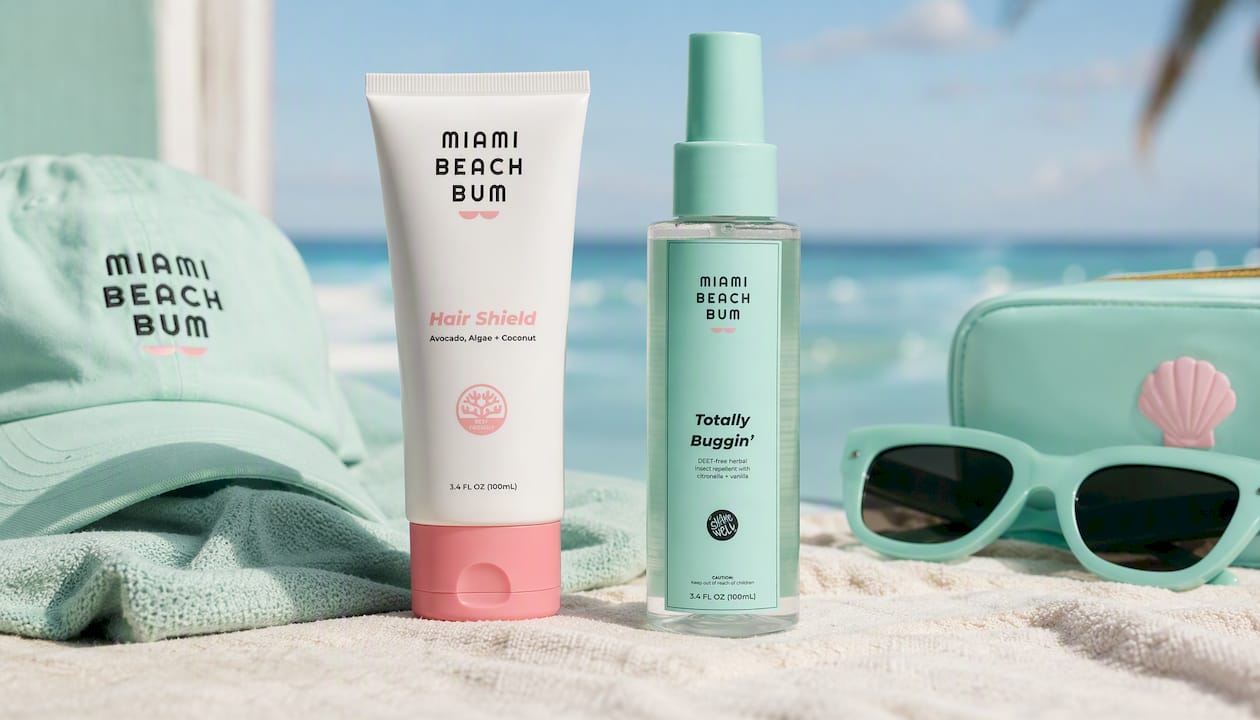
A leave-in conditioner can protect hair and scalp on outdoor days, reducing the need to rely on chemical sunscreen sprays for every inch of exposed skin along the part line and hairline. This product suits anyone spending time outside who wants one less area to worry about reapplying.
A botanical insect repellent can help reduce layering multiple aerosol products during the same outing, which is useful for limiting inhalation exposure from sprays. Such products fit well for outdoor activities like hiking, camping, and beach days where bugs and sun exposure coincide.
Both formulas skip the petroleum and synthetic fillers common in conventional outdoor products. Browse the full outdoor collection to build a routine that matches the lower-exposure strategy this article lays out, or check the bodycare line for everyday sun-care staples.
Sources
The evidence in this article draws on the FDA’s randomized absorption trial, a PRISMA-guided literature review covering 75 studies from 2014 to 2024, a PubMed review of UV-B filter endocrine activity, the Federal Register’s OTC sunscreen rulemaking, and a prospective photopatch testing study on sunscreen photoallergy. Together they cover the human biomonitoring data, the regulatory record, and the clinical allergy evidence discussed throughout.
This article is general information, not a substitute for advice from a qualified doctor. Consult a qualified healthcare professional about your own circumstances before acting on anything here.
- FDA posts results from second sunscreen absorption study
- Endocrine and Reproductive Health Considerations of Sunscreen UV Filters: Insights from a Comprehensive Review 2014–2024
- Photoprotection of ultraviolet-B filters: Updated review of endocrine disrupting properties
- Sunscreen drug products for over-the-counter human use — Federal Register
- Prospective multicentre photopatch test study of photoallergy to sunscreens and nonsteroidal
FAQ
What is the least toxic sunscreen to use?
Mineral sunscreens using non-nano zinc oxide or titanium dioxide currently carry the cleanest endocrine safety profile, since they work on the skin’s surface rather than absorbing into the bloodstream. Look for “non-nano” on the label and avoid oxybenzone, octinoxate, and homosalate if minimizing chemical exposure is your priority.
Which sunscreens are not safe to use?
No sunscreen sold in the U.S. is currently classified as unsafe by the FDA, but several chemical filters, oxybenzone, octinoxate, and homosalate, remain under regulatory review pending more safety data, per the FDA’s OTC rulemaking. If you’re allergic to chemical sunscreen or prefer to avoid ingredients still under review, mineral formulas are the more conservative choice.
Which ingredients in sunscreen should be avoided?
Oxybenzone (BP-3), octinoxate, homosalate, and octocrylene have the most biomonitoring and endocrine-activity evidence behind them, including documented hormonal activity in lab studies for octinoxate specifically. Avobenzone carries less endocrine concern but is a known photoallergen worth watching if you get skin reactions.
What skincare products have endocrine disruptors?
Beyond sunscreen, oxybenzone and related benzophenones show up in moisturizers, lip balm, and other personal care products with SPF or UV-filtering claims, which is part of why biomonitoring studies find these chemicals in nearly everyone tested. Reading ingredient lists on your full skincare routine, not just your sunscreen, gives a more accurate picture of total exposure.