


SPF in a daily makeup routine is defined as the layered use of dedicated broad-spectrum sunscreen as primary UV defense, with SPF-containing cosmetics serving as a supplementary maintenance layer. Dermatologists consistently recommend applying a standalone SPF 30+ sunscreen before any makeup product touches your face. The SPF in your foundation or tinted moisturizer is not enough on its own. Understanding the role of SPF in daily makeup routine means knowing which product does the heavy lifting and which one simply helps maintain it.
Why SPF makeup cannot replace dedicated sunscreen
SPF makeup fails as standalone protection for one simple reason: you never apply enough of it. Makeup with SPF often delivers only SPF 5 or 10 in real-world use because the application layer is too thin. That gap between the label and what your skin actually receives is significant.
Dermatologists recommend applying about two finger lengths of sunscreen to the face and neck to reach the labeled SPF level. Most people apply a fraction of that amount in foundation. Doubling your foundation to hit full SPF coverage is impractical and would look nothing like a normal makeup application.
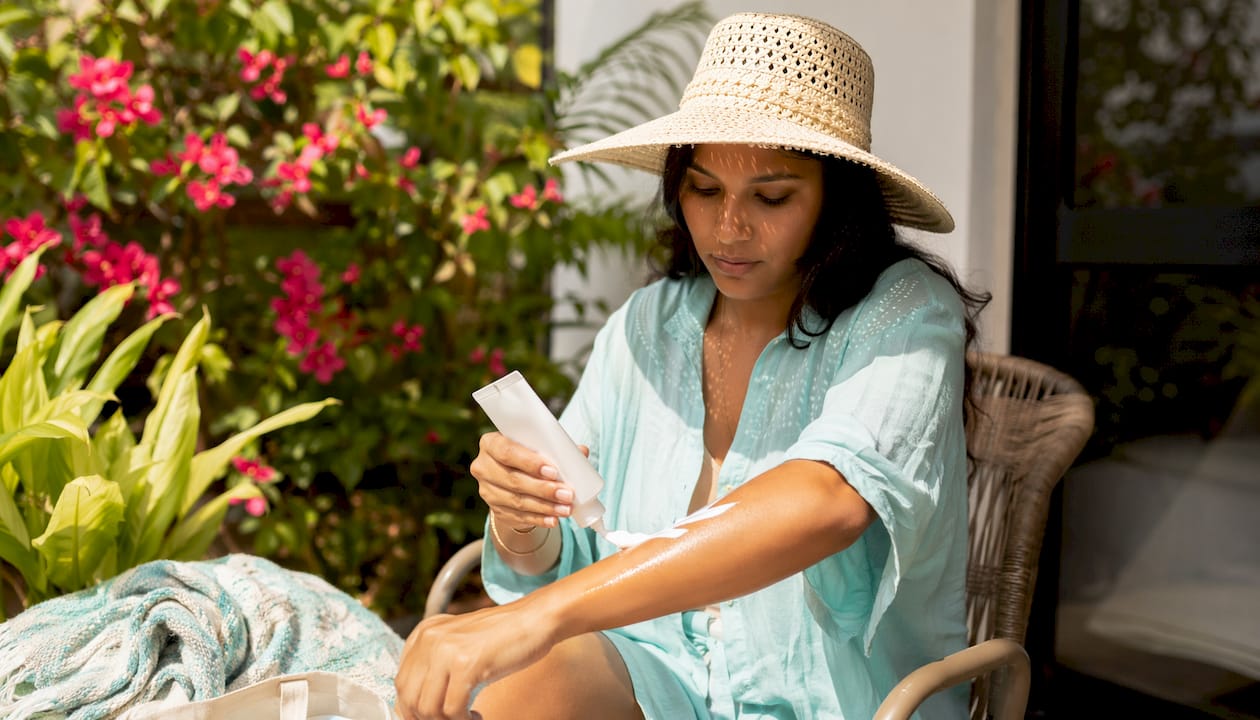
The math on layering also does not work the way most people assume. SPF values are not additive: applying SPF 30 sunscreen and SPF 30 foundation does not give you SPF 60. Protection is determined by the strongest single layer, not the sum of all layers. This means your sunscreen sets the ceiling, and everything else is supplementary.
Here is what reduces effective SPF coverage in a typical makeup routine:
- Applying foundation too thinly to reach labeled SPF levels
- Mixing sunscreen into foundation, which dilutes both products
- Using a primer before sunscreen has absorbed, which disrupts the protective film
- Relying on SPF powder or setting spray as the only sun protection
Pro Tip: Never blend your sunscreen into your moisturizer or foundation before applying. Each product needs to sit as its own layer to work correctly.
How should you apply sunscreen and makeup for real protection?
The correct application sequence makes a measurable difference in how much UV protection you actually receive. Follow these steps every morning:
- Complete your skincare first. Cleanser, serum, and moisturizer go on before sunscreen. Let your moisturizer absorb for a minute or two before moving on.
- Apply broad-spectrum SPF 30+ sunscreen as the final skincare step. Use enough product to cover your face, neck, and ears. Reapplication every 2–3 hours is necessary to maintain efficacy throughout the day.
- Wait roughly 5 minutes before applying primer. Sunscreen needs time to form a protective film on the skin. Applying primer immediately on top disrupts that film before it sets.
- Apply primer after sunscreen has absorbed. Primer goes between sunscreen and foundation, not before sunscreen.
- Layer SPF makeup on top. Foundation, tinted moisturizer, or BB cream with SPF now acts as a supplementary layer that reinforces protection.
- Reapply SPF mid-day using makeup-compatible formats. Cream and liquid sunscreens will smear your makeup. Use powders, mists, or sunscreen sticks instead.
Pro Tip: Set a phone reminder for every 2 hours when you are spending time outdoors. Even on cloudy days, UVA rays penetrate and accumulate damage.
For a deeper look at how sunscreen fits into a full skincare sequence, the SPF layering guide from Miamibeachbum breaks down each step clearly.
What SPF makeup products work best for on-the-go touch-ups?
SPF makeup serves best as a maintenance layer for touch-ups rather than as primary UV defense. The nose, cheekbones, and forehead are the areas where both sunscreen and makeup fade fastest. Targeting those zones during mid-day reapplication is the most practical approach.
The right product format matters as much as the SPF number. Cream or liquid sunscreens disrupt existing makeup, making them a poor choice for reapplication over a full face of cosmetics. Powders, translucent mists, and sunscreen sticks are the formats that work with your makeup rather than against it.
Here is how the main touch-up formats compare:
| Format | Best use | Makeup compatibility |
|---|---|---|
| SPF setting powder | Matte finish touch-up | High: blends with existing foundation |
| Sunscreen mist | Quick all-over refresh | High: sprays without smearing |
| Priming sunscreen stick | Targeted reapplication | High: glides on without disrupting base |
| Liquid or cream sunscreen | Morning application only | Low: smears makeup when applied over it |
Priming sunscreen sticks are a standout innovation for this purpose. They deliver hydration, a pore-blurring effect, and a matte finish in a portable format that fits in any bag. Hybrid products that combine SPF with hydrating ingredients like hyaluronic acid make daily SPF reapplication easier to stick with over time.
- SPF powders work over any foundation and add a light matte finish
- Translucent mists refresh skin and SPF without disturbing color cosmetics
- Sunscreen sticks target high-exposure areas like the nose and cheekbones
- Hybrid SPF primers reduce the number of products you need in the morning
Why does broad-spectrum protection matter for every skin tone?
Broad-spectrum protection blocks both UVA and UVB rays and is necessary for all skin tones and daily activities. UVB rays cause sunburn. UVA rays penetrate deeper and drive premature aging and skin cancer risk. The SPF number on a label only measures UVB protection. A product labeled “broad-spectrum” covers both.
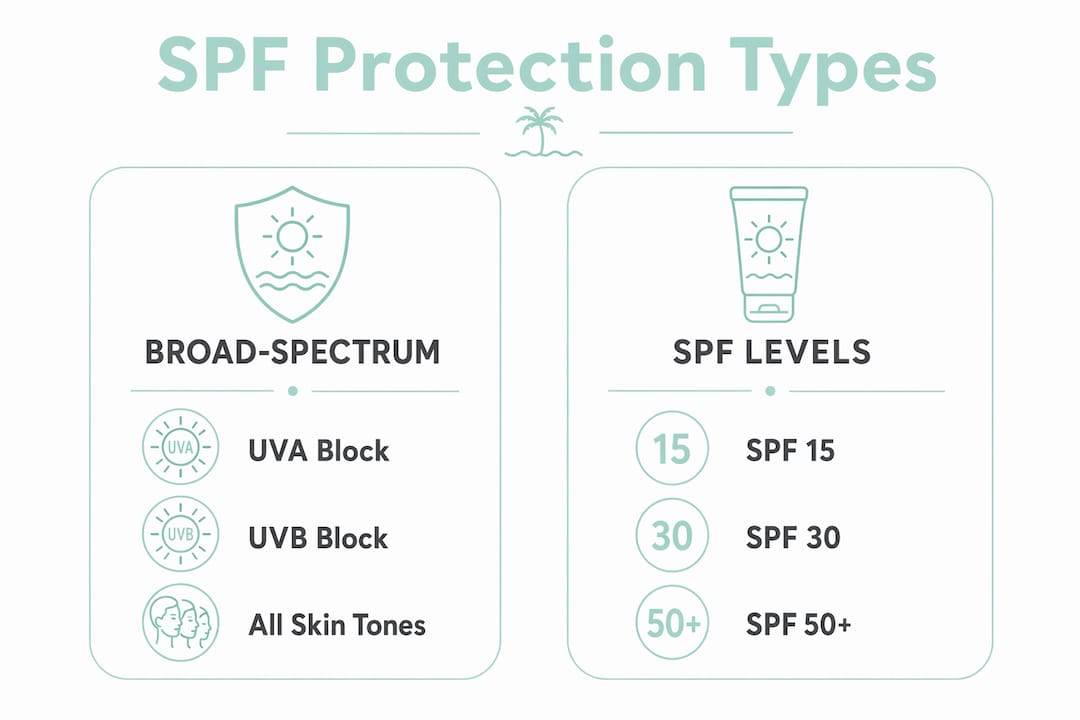
A common and damaging misconception is that darker skin tones do not need sunscreen. Melanin does offer some natural UV protection, but it does not eliminate the risk of photoaging or skin cancer. Dermatology bodies consistently recommend daily broad-spectrum sunscreen for every skin tone. The benefits of daily sunscreen extend well beyond preventing burns.
| SPF level | UVB rays blocked | Recommended for |
|---|---|---|
| SPF 15 | ~93% | Minimal outdoor exposure |
| SPF 30 | ~97% | Daily use, all skin tones |
| SPF 50 | ~98% | Extended outdoor activity |
| SPF 50+ | ~98%+ | High UV index environments |
SPF 30 is the minimum dermatologists recommend for daily use. The difference between SPF 30 and SPF 50 is smaller than most people expect, but both require consistent reapplication to maintain their rated protection. No SPF level provides all-day protection from a single morning application. Understanding the difference between chemical and mineral sunscreen also helps you choose a formula that works with your skin type and makeup preferences.
Key Takeaways
Dedicated broad-spectrum SPF 30+ sunscreen applied before makeup is the only reliable primary UV defense, with SPF cosmetics serving strictly as a maintenance layer throughout the day.
| Point | Details |
|---|---|
| Sunscreen comes first | Apply broad-spectrum SPF 30+ as the last skincare step, before primer and makeup. |
| SPF makeup is supplementary | Foundation and tinted moisturizer with SPF reinforce protection but cannot replace dedicated sunscreen. |
| SPF values do not stack | Layering SPF 30 sunscreen with SPF 30 makeup gives SPF 30, not SPF 60. |
| Reapply every 2–3 hours | Use powders, mists, or sticks over makeup to maintain protection without disrupting cosmetics. |
| All skin tones need SPF | Melanin reduces but does not eliminate UV damage risk; broad-spectrum SPF is necessary for everyone. |
What I have learned from years of watching people skip the sunscreen step
The most common mistake I see is treating SPF in makeup as a checkbox rather than understanding what it actually does. People spend real money on quality foundation with SPF 20 and then skip the dedicated sunscreen entirely, believing they are covered. They are not. The protection gap between what the label says and what thin makeup application delivers is wide enough to matter over months and years.
What shifted my thinking was understanding that sunscreen and SPF makeup solve different problems. Sunscreen is your defense. SPF makeup is your maintenance. Once that distinction clicks, the routine becomes much simpler. You stop looking for a single product that does everything and start building a two-step system that actually works.
The product innovation happening in sunscreen sticks and SPF mists is genuinely useful. These formats remove the biggest friction point in mid-day reapplication: not wanting to ruin your makeup. When reapplication is easy, people actually do it. That consistency is what produces real long-term skin health results.
Prioritizing skin health now pays off visibly later. The women I know who have been consistent with daily SPF since their 20s have noticeably different skin texture and tone in their 40s. That is not a coincidence. It is the compounding effect of daily protection done correctly.
— Ayssa
Miamibeachbum’s SPF picks for your daily routine
Sun protection that works under makeup needs to be sheer, non-greasy, and genuinely broad-spectrum. Miamibeachbum’s Save Face SPF 50 Sheer Mineral Facial Serum is built for exactly this use case. It applies like a serum, absorbs quickly, and leaves no white cast, making it a clean base for any foundation or tinted moisturizer.
For women who want a full introduction to Miamibeachbum’s approach to skin-first sun care, the Bodycare Discovery Set is a practical starting point. Every formula is developed with skin-friendly ingredients and broad-spectrum protection in mind. If you are building a makeup routine with sunscreen as the foundation, these products are worth adding to your shelf.
FAQ
Does SPF in foundation replace sunscreen?
No. SPF makeup provides only SPF 5 or 10 in typical use because the application layer is too thin to reach the labeled protection level. A dedicated broad-spectrum sunscreen applied underneath is required.
Should you wear SPF under makeup every day?
Yes. UVA rays are present year-round, penetrate glass, and accumulate damage even on overcast days. Dermatologists recommend daily broad-spectrum SPF 30+ for all skin tones regardless of season or planned sun exposure.
How do you reapply sunscreen without ruining your makeup?
Use powders, translucent mists, or sunscreen sticks for reapplication over existing makeup. Cream and liquid sunscreens smear cosmetics and are best reserved for morning application only.
Does mixing sunscreen into foundation work?
No. Mixing sunscreen into foundation dilutes both products and reduces the sunscreen’s effectiveness. Apply each product separately and allow sunscreen to absorb before layering anything on top.
What SPF level should you use under makeup?
Broad-spectrum SPF 30 is the minimum recommended for daily use. SPF 50 is a better choice for extended outdoor time or high UV index days. The makeup layering technique you use does not change the SPF requirement underneath.