


Jelly sunscreen is a gel-based, broad-spectrum UV protection formula that absorbs quickly, leaves no white cast, and feels almost weightless on skin. It blocks both UVA and UVB rays using chemical UV filters, forming a protective film on the skin’s surface before radiation can penetrate. For anyone with oily or acne-prone skin who has avoided sunscreen because of greasy residue, this format changes the equation. The FDA and AAD recommend broad-spectrum, water-resistant sunscreens with SPF 30 or higher applied to all exposed skin, and the texture you choose does not change that standard. What it does change is whether you actually use it every day.
The role of jelly sunscreen, explained simply: it delivers the same UV protection as a cream, but removes the sensory barriers that cause people to skip it.
Key roles jelly sunscreen plays in your routine:
- Shields skin from UVA and UVB radiation via chemical UV filters
- Provides a lightweight, non-greasy base that does not clog pores
- Hydrates without adding heaviness, often with antioxidant or pollution-blocking ingredients
- Absorbs fast enough to layer under makeup without pilling
- Reduces the “sunscreen skip” problem by making daily application feel effortless
Pro Tip: Because gel formulas are transparent and absorb quickly, it is easy to miss spots. Apply in a well-lit mirror and use slow, deliberate strokes across your full face, neck, and ears before the product disappears into your skin.
Six key benefits of jelly sunscreen for skin and daily wear
1. Lightweight feel that you will actually wear
Gel sunscreens sit on the skin without the heavy, occlusive sensation that cream formulas can leave. That matters more than it sounds. Dermatologist Dr. Joel Schlessinger puts it directly: the best sunscreen is the one people will actually use. A formula that feels good removes the biggest real-world barrier to consistent sun protection.
2. Mattifying effect for oily skin
Gel formulas typically contain a higher water content and fewer heavy emollients than creams, which translates to a matte or satin finish rather than a shine. For oily and acne-prone skin, this alone can make the difference between wearing SPF daily and skipping it by 10 AM.
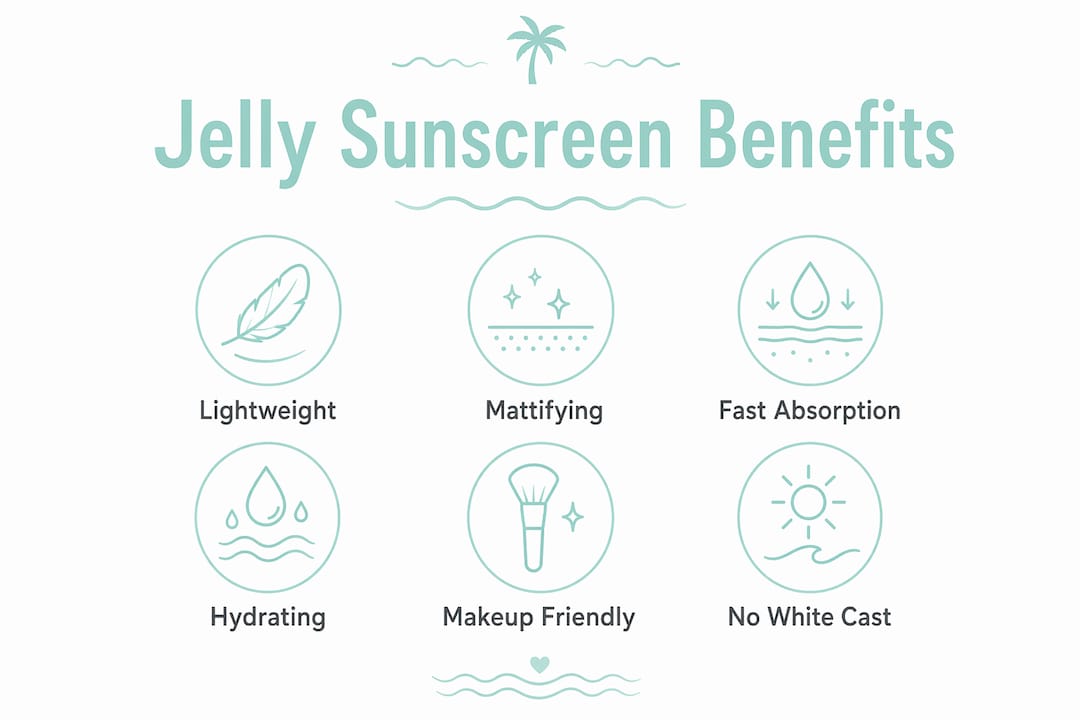
3. Fast absorption without pore clogging
Jelly sunscreens absorb within seconds, leaving no visible residue. Cream-based formulas can sit on the surface for several minutes, increasing the chance of pore blockage for skin that already produces excess sebum. The quick-dry finish of a gel formula sidesteps that problem.
4. Hydration without heaviness
Modern jelly sunscreens go beyond UV filters. Many formulations now include antioxidants, hydrating agents, and ingredients that defend against blue light and environmental pollution. You get moisture without the weight of a cream, which suits humid climates and warm-weather wear particularly well.
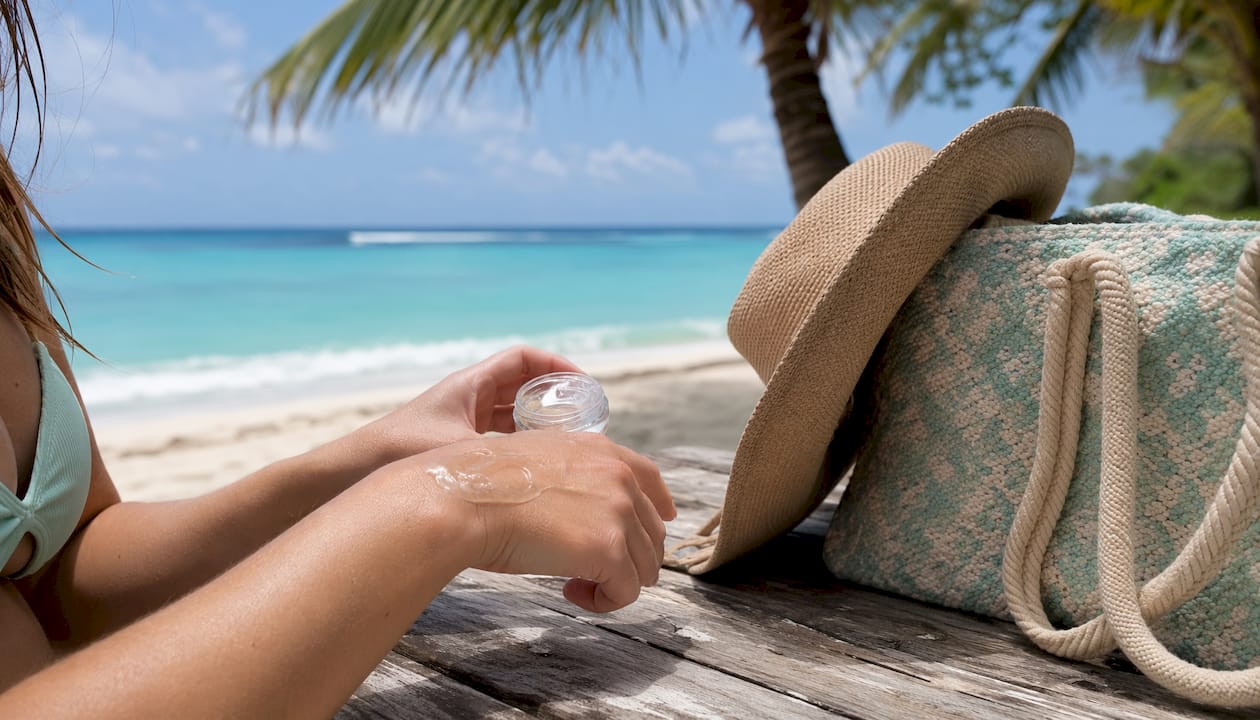
5. Makeup compatibility and priming effect
Gel sunscreens can act as makeup primers by smoothing uneven skin texture and creating a receptive surface for foundation or concealer. Products like Peter Thomas Roth Max Clear Invisible Priming Sunscreen are specifically formulated for this dual role, letting you cut one step from your morning routine.
6. No white cast, no cosmetic compromise
Chemical UV filters in gel sunscreens are fully transparent, so there is no chalky residue on deeper skin tones. This is one of the most cited reasons people with medium to deep complexions prefer gel formulas over mineral options. The absence of white cast does not indicate weaker protection; SPF efficacy depends on correct application volume, not visible residue.
How gel sunscreen compares to cream sunscreen
Gel and cream sunscreens both deliver effective broad-spectrum protection when applied correctly. The differences come down to texture, skin type fit, and how they perform under specific conditions.
| Feature | Gel / Jelly Sunscreen | Cream Sunscreen |
|---|---|---|
| Skin type suitability | Oily, acne-prone, combination | Dry, normal, sensitive |
| Texture and feel | Lightweight, watery, fast-absorbing | Rich, emollient, slower to absorb |
| Hydration effect | Light moisture, sometimes antioxidant-enriched | Deep moisture, often with occlusives |
| SPF protection level | SPF 30–50+ (equivalent to cream when applied correctly) | SPF 30–50+ (equivalent to gel when applied correctly) |
| Water/sweat resistance | Lower; needs more frequent reapplication | Generally higher; better for intense activity |
| Best for | Daily wear, desk use, makeup layering | Beach, swimming, outdoor sports |
Where gels win: Gel formulas suit everyday commute and desk environments. Their sensory experience encourages consistent use, and their fast absorption makes them practical for morning routines. Dermatologists also note that gel-based chemical sunscreens work well for swimmers and athletes who dislike the feel of mineral formulas.
Where creams hold an edge:
- Creams typically offer better water and sweat resistance, making them more reliable for beach days or intense outdoor activity
- Richer emollients in cream formulas benefit dry or mature skin that needs more barrier support
- Slower absorption makes it easier to see where you have applied the product, reducing missed spots
The trade-off to know: True water-based gel sunscreens tend to sacrifice some water resistance compared to thicker emulsified formulas. If you are heading into the ocean or a heavy workout, a water-resistant cream or lotion may hold up better between reapplication intervals. For everything else, the gel format wins on comfort and compliance.
How to apply jelly sunscreen for full protection
Getting the SPF on the label requires applying the right amount, not just spreading a thin layer and hoping for the best. The FDA and AAD set the standard at about 1 ounce for full body coverage, roughly the volume of a shot glass. Gel formulas absorb so quickly that it is easy to underestimate how much you have used.
Step-by-step application:
- Dispense generously. For your face and neck, use about a nickel-sized amount. For your body, work in sections and do not be stingy.
- Apply to dry skin before sun exposure. Give the formula at least two minutes to absorb before going outside.
- Work in sections. Face first, then neck, ears, and décolletage. Move to arms, legs, and the tops of your feet.
- Check commonly missed spots. Ears, neck, feet, and back are the areas most often skipped, especially with fast-absorbing gel formulas that disappear before you realize you have missed a patch.
- Reapply every 60–90 minutes. Dr. Joel Schlessinger recommends reapplying sooner if you have been in the water. Gel formulas, which tend toward lower water resistance, need that reapplication window respected.
- Layer makeup on top after absorption. Wait until the gel has fully set, then apply primer or foundation as usual.
Pro Tip: If you are using a gel sunscreen as a makeup base, apply it in thin, even layers rather than one thick coat. Thin layers absorb faster and create a smoother surface for foundation, while a single thick application can pill under powder products.
Reapplication is where most people fall short, not the initial application. Gel sunscreens often require more vigilant reapplication than thicker creams during heavy sweating or swimming. Set a phone reminder if you are spending extended time outdoors.
Top gel sunscreens available in the US market
The gel sunscreen category has expanded considerably. These nine options cover a range of skin types, SPF levels, and use cases, from daily face protection to full-body coverage for active days.
1. Dune Suncare Invisible Gel Sunscreen
Built specifically for oily and acne-prone skin, this formula delivers broad-spectrum protection with a non-greasy matte finish. It absorbs fast and leaves no visible residue, making it a practical daily driver for anyone who has struggled with heavier sunscreens feeling like a second skin.
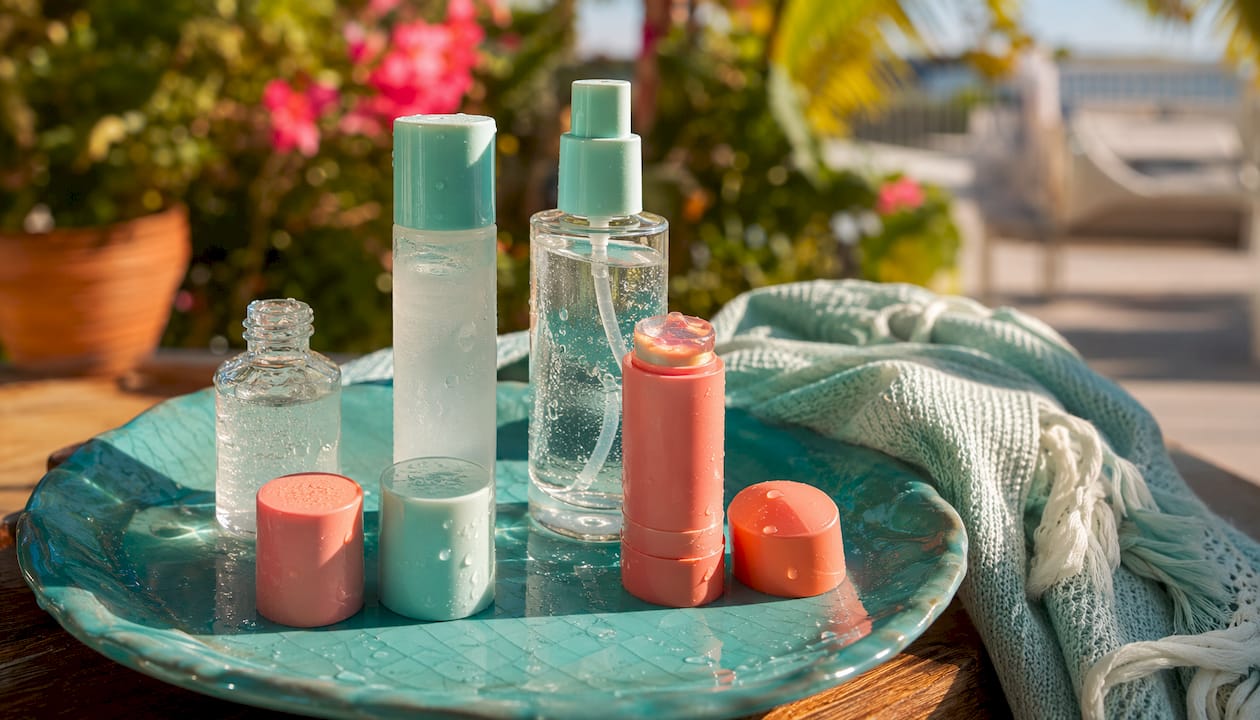
2. Sonrei Sea Clearly SPF 50 Gel Sunscreen
This high-SPF option goes beyond UV protection by incorporating blue light and pollution-blocking ingredients. It suits sensitive skin well and works for daily use in urban environments where environmental stressors compound sun damage. The transparent finish keeps it cosmetically clean on all skin tones.
3. Peter Thomas Roth Max Clear Invisible Priming Sunscreen
SPF 45 protection paired with a skin-smoothing primer effect makes this one of the more genuinely multifunctional options on the market. It creates a receptive base for makeup while protecting the face and neck, cutting the need for a separate primer step. Beauty-focused users who want their sunscreen to do double duty will find this formula worth the investment.
4. Murad Multi-Vitamin Clear Coat SPF 50
Murad positions this as a vitamin-enriched gel sunscreen, combining SPF 50 protection with antioxidant nutrients that support skin health beyond UV defense. The clear finish suits most skin tones, and the vitamin load makes it a reasonable choice for anyone who wants their sunscreen to contribute to overall skin condition rather than just block rays.
5. Dune Suncare The Bod Guard Invisible Gel Sunscreen Broad Spectrum SPF 30
Designed for the body rather than the face, The Bod Guard prioritizes fast absorption and sweat resistance for active lifestyles. SPF 30 broad-spectrum coverage in a lightweight texture means it does not slow you down before a run or a beach session. It layers cleanly under clothing without transferring.
6. Dune Suncare The Mug Guard Invisible Gel Sunscreen Broad Spectrum SPF 30
The Mug Guard targets the neck and décolletage, areas that receive significant sun exposure but are routinely undertreated. The clear, non-sticky formula layers well under clothing or jewelry and suits sensitive skin on the chest and neck that can react to heavier formulas.
7. Sonrei Sea Clearly SPF 50 Translucent Gel Sunscreen
The translucent version of Sonrei’s Sea Clearly line combines SPF 50 UV defense with blue light protection in a slightly different finish than the standard gel. Sensitive skin exposed to both sun and screen light throughout the day gets a dual-shield formula without the heaviness of a cream.
8. Peter Thomas Roth Max Clear Invisible Priming Sunscreen Broad Spectrum SPF 45
This is the broad-spectrum labeled variant of the Max Clear line, confirming UVA and UVB coverage at SPF 45. The smoothing and protective properties remain consistent with the standard version, and it suits beauty enthusiasts who want a confirmed broad-spectrum claim on the label alongside the priming benefit.
9. Murad Multi-Vitamin Clear Coat Broad Spectrum SPF 50
The broad-spectrum version of Murad’s Multi-Vitamin Clear Coat confirms full UVA and UVB protection at SPF 50 while maintaining the vitamin-enriched formula. For people who want antioxidant-enriched sun care with a high SPF and a clear finish, this is a strong option. Pair it with a sunscreen label decoder to understand exactly what each active ingredient contributes.
What dermatologists and research say about gel sunscreen efficacy
The science behind gel sunscreen’s growing popularity is not just about feel. Formulation advances and clinical compliance data both support why this format has earned its place in serious sun care routines.
That point about compliance is the core argument for gel formulas. A sunscreen that stays in the cabinet provides zero protection. Gel textures remove the greasiness barrier that causes many people, especially those with oily skin, to skip application entirely.
On the formulation side, advances like O/W/O dual microencapsulation allow manufacturers to stabilize chemical UV filters within a lightweight, jelly-like matrix. The result is a formula that delivers long-lasting SPF protection without the heavy emollients that make cream sunscreens feel thick. These technologies also allow for the incorporation of antioxidants and blue light filters without compromising the gel’s sensory profile.
The AAD and FDA both confirm that broad-spectrum protection is the standard to meet, regardless of vehicle. Gel sunscreens using avobenzone, oxybenzone, homosalate, octocrylene, and octinoxate as active ingredients meet that standard when applied at the correct volume. The lack of a white cast does not indicate reduced protection. SPF is measured by the active ingredient concentration and application volume, not by how visible the formula is on skin.
One misconception worth addressing directly: gel sunscreens are not inherently less protective than creams. They can, however, require more frequent reapplication during water exposure or heavy sweating, since their lighter emulsion base tends toward lower water resistance. Understanding that trade-off, rather than assuming gel equals weaker, is the practical takeaway. For a deeper look at how chemical and mineral options compare across activity types, that distinction matters when choosing your formula.
Dermatologists also note that mineral sunscreens, which use zinc oxide or titanium dioxide rather than chemical filters, are generally preferred for children and people who are pregnant or nursing. Gel-based chemical sunscreens suit adults with oily skin, swimmers, and athletes who find mineral formulas too heavy or prone to white cast.
Miamibeachbum’s approach to sun-obsessed body care
Miamibeachbum is a marine scientist-made body care brand built around the idea that sun protection should feel as good as it works. If the gel sunscreens above cover your face and daily SPF needs, Miamibeachbum fills the gap on body care that takes sun exposure seriously without sacrificing skin health.
The Bodycare Discovery Set is a practical starting point for anyone building a full-body sun protection routine. For face-specific mineral protection, the Save Face SPF 50 Sheer Mineral Facial Serum offers a sheer, lightweight alternative to the chemical gel formulas covered in this article, suited for sensitive skin or anyone who prefers a mineral-based option. Miamibeachbum’s formulations are grounded in coastal science and designed for people who spend real time in the sun, not just those who want to look like they do.
Key Takeaways
Gel sunscreen delivers the same broad-spectrum UV protection as cream when applied correctly, with a lightweight, non-greasy texture that makes daily compliance significantly more likely.
| Point | Details |
|---|---|
| Same SPF, different feel | Gel and cream sunscreens offer equivalent protection when applied at the correct volume of about 1 ounce for full body coverage. |
| Best skin type fit | Gel formulas suit oily, acne-prone, and combination skin; cream formulas suit dry or sensitive skin needing richer moisture. |
| Reapplication is critical | Gel sunscreens require reapplication every 60–90 minutes, and sooner after water exposure, due to lower water resistance. |
| Ingredients to know | Active chemical UV filters in gel sunscreens include avobenzone, oxybenzone, homosalate, octocrylene, and octinoxate. |
| Miamibeachbum | Offers marine scientist-made body care and SPF options, including the Save Face SPF 50 Sheer Mineral Facial Serum for sensitive skin. |
Recommended
- 5 Surprising Benefits of Wearing Sunscreen | Miami Beach Bum®
- How to Read a Sunscreen Label:A Marine Scientist’s Ingredient Decoder – Miami Beach Bum
- Chemical vs. Mineral Sunscreen: Which one is right for you? | Miami Beach Bum®
- Miami Beach Bum® - Save Face SPF 50 Sheer Mineral Facial Serum - Shop Suncare