


Yes, you can replicate most of the luxury body-care experience for far less. Scent, texture, and the feeling of a premium product are all achievable at a fraction of the price. What affordable alternatives typically cannot match: proprietary firming complexes, clinically tested actives, and the long-term performance claims that justify a $90 price tag. Knowing that distinction upfront saves you money and prevents disappointment.
What a convincing dupe usually delivers:
- Scent match: A close fragrance profile, often within the same scent family
- Texture: Comparable slip, absorbency, and skin finish
- Perceived packaging: A product that feels intentional and well-made
What it usually does not deliver:
- Proprietary actives (guaraná, patented firming peptides, clinical exfoliant complexes)
- Clinically proven long-term results
- Identical ingredient concentrations
Ulta Beauty’s editorial guidance on affordable body care consistently points shoppers toward ingredient-first selection over brand status. The Miamibeachbum Bodycare Discovery Set is one practical way to test scent and texture before committing to a full-size purchase.
Table of Contents
- What makes a body care dupe “high-end” vs. a knockoff?
- The three pillars shoppers use to judge body care dupes
- How do you test a body care dupe before buying a full size?
- Where do reliable body care dupes actually show up?
- Miamibeachbum reef-safe products worth sampling first
- Key Takeaways
- Why sensory checks beat brand-name assumptions
- Try a reef-safe sample before you decide
- Useful sources for verifying ingredients and reef-safety
What makes a body care dupe “high-end” vs. a knockoff?
A legitimate dupe is an independently formulated product that replicates the sensory experience of a luxury original, sold under its own brand, with its own ingredient list. It is not a counterfeit, which copies branding, packaging, or labeling to deceive buyers into thinking they are purchasing the original.
Side-by-side comparisons of popular luxury body care products show that dupes typically target sensory replication, not formula parity. Manufacturers reduce cost by omitting specialty actives, not by cutting the base moisturizing ingredients.
Sensory replication (what dupes usually target):
- Fragrance profile and throw
- Lotion consistency and skin feel
- Packaging aesthetics and perceived weight
Ingredient/function replication (what often differs):
- Specialty actives like guaraná extract or clinical retinol
- Exact botanical oil ratios
- Clinically validated claims
One safety note: always buy from a recognized retailer or the brand’s own site. Counterfeit body care products sometimes carry unlisted ingredients or contaminants. A missing ingredient list on the label is a hard stop.
The three pillars shoppers use to judge body care dupes
Industry analysis finds that shoppers consider a dupe successful when it hits at least two of three sensory pillars: scent, texture, and perceived value. Understanding each one helps you shop with a clear priority.
Scent is the most emotionally loaded pillar and the easiest for formulators to replicate. Fragrance houses sell the same base accords to mass-market and luxury brands alike. A dupe that lands in the same scent family — warm vanilla, tropical coconut, fresh citrus — will feel familiar even if the exact top notes differ. For affordable luxury scents, the gap between a $12 body mist and a $60 one is often smaller than the price suggests.
Texture is where ingredient quality shows up most clearly. Shea butter, cocoa butter, and mango seed butter create the rich, non-greasy slip that signals “luxury” to the skin. Consumer reviews of body butters that use all three ingredients consistently describe them as “perfect dupes” for more expensive products. Botanical oils like jojoba and marula add the skin-softening finish that separates a good lotion from a great one.
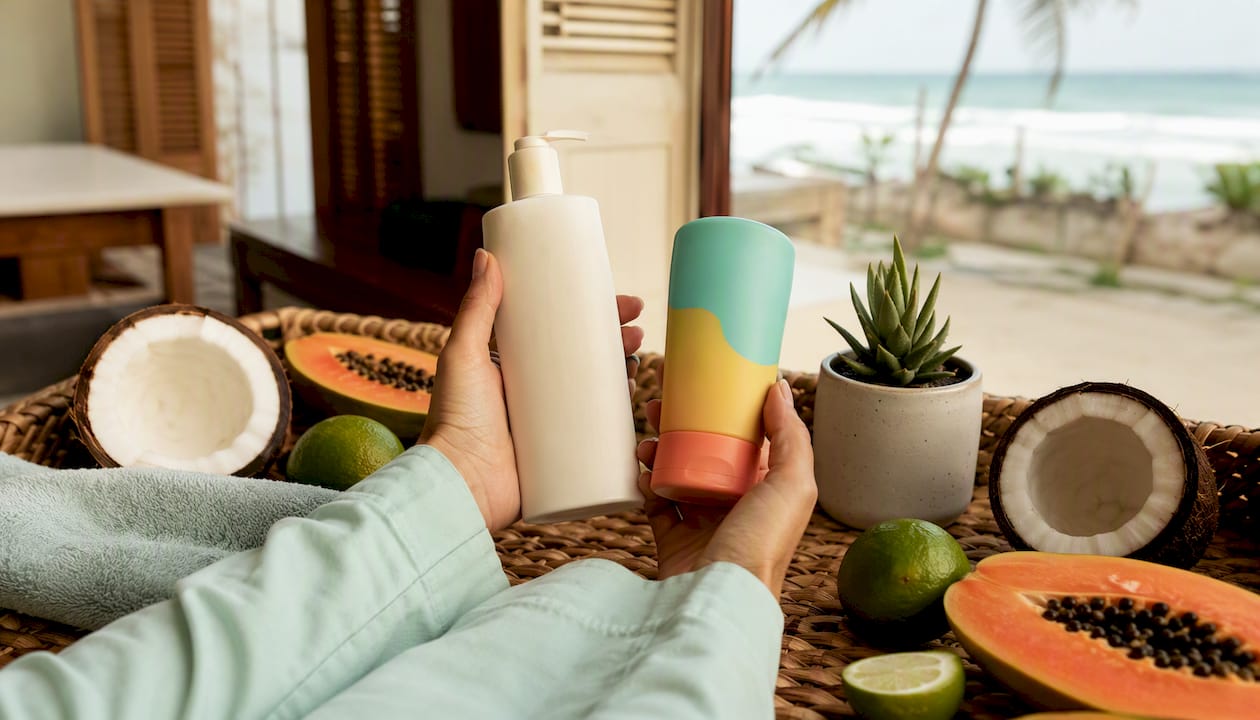
Perceived value covers packaging weight, pump quality, and how the product presents. A flimsy cap or watery formula undercuts the sensory experience even when the scent is right. This pillar is the hardest to replicate at low cost, but indie DTC brands often do it well because their margins allow for better packaging investment.
Pro Tip: If daily hydration is your goal, weight texture and absorbency above scent. If you want a product for special occasions or gifting, flip that priority and lead with scent.
How do you test a body care dupe before buying a full size?
A structured test takes about two weeks and costs nothing beyond the sample or travel size.
- Scent check (in-bottle vs. on skin). Smell the product in the bottle, then apply a small amount to your inner wrist. Wait 15 minutes. Fragrance changes on skin, and a dupe that smells identical in the bottle can shift noticeably once it reacts with your body chemistry.
- Texture check. Apply a dime-sized amount to your forearm. Spread it and wait 10 minutes. Wirecutter’s body lotion testing guidance recommends greasiness versus absorbency as the most reliable real-world metric for whether a lotion will feel premium in daily use.
- Ingredient scan. Look for shea butter, cocoa butter, or plant oils in the first five ingredients. Avoid formulas where drying alcohols (alcohol denat.) appear near the top. Ulta’s editorial team flags niacinamide and botanical oils as the most effective affordable ingredients for a visible glow.
- Patch test. Apply to a small area of skin and wait 24–48 hours before full-body use, especially for products with fragrance or exfoliants.
- One-week hydration check. Use the product daily for seven days on one leg and your usual product on the other. Visible softness and reduced dryness within a week are reliable signals of real moisturizing performance.
Red flags to watch for:
- No ingredient list on the label or product page
- Before/after photos with no ingredient or clinical context
- Actives listed by marketing name only, with no INCI name
- Packaging that looks inconsistent with the brand’s other products
For verification, check that the seller has a clear return policy, the product carries a batch code, and the retailer is either a recognized chain or a brand selling direct. Clean formulation roundups from sources like The Good Trade are useful for sensitive-skin shoppers who need ingredient transparency before purchasing.
Where do reliable body care dupes actually show up?
The best sources depend on whether you prioritize price, ingredient quality, or scent access.
- Reddit and beauty blogs: — Communities like r/SkincareAddiction and r/drugstorebeauty surface well-tested dupes with real user feedback. Treat these as a starting list, not a final verdict.
For shoppers with reef-safe or sustainability priorities, indie DTC brands are the clearest path. Mass-market formulas rarely disclose reef-safety status, and ingredient lists at drugstores can be harder to parse quickly.
Miamibeachbum reef-safe products worth sampling first
Miamibeachbum was founded by a marine scientist, and that origin shapes every formula. Products are reef-safe, ingredient-transparent, and built for real sensory performance, not just marketing copy.
Three products worth sampling before you commit to any full-size luxury purchase or dupe:
Bum + Body Cream addresses razor burn and body breakouts with a botanical formula that delivers the kind of skin-smoothing finish most luxury body creams promise. Beauty editors have noted its texture as a standout.
Blocked SPF50 is a mineral sunscreen that sits in the same category as high-end reef-safe sun-care products. For shoppers comparing luxury body sun-care options, it is a direct, ingredient-transparent alternative.
The Bodycare Discovery Set lets you test scent longevity and texture across multiple products before buying full sizes. It is the most cost-effective way to run the two-week test protocol described above.
Pro Tip: Apply a product from the discovery set in the morning and check scent at noon and again at 6 PM. Fragrance that holds for six or more hours is a strong signal of quality concentration, not just top-note spray.
For a deeper look at which ingredients to prioritize in a daily moisturizer, Miamibeachbum’s ingredient guidance post covers shea, cocoa butter, botanical oils, and niacinamide with sourced context.
Key Takeaways
Affordable body care dupes can match the sensory experience of luxury products when you prioritize scent, texture, and ingredient anchors over brand name.
| Point | Details |
|---|---|
| Sensory match is achievable | A convincing dupe hits at least two of three pillars: scent, texture, and perceived packaging. |
| Ingredient anchors matter | Shea butter, cocoa butter, and botanical oils reliably deliver a rich skin feel that mimics luxury textures. |
| Test before you commit | Use a patch test plus a one-week hydration check to verify real performance beyond first impressions. |
| Long-term actives differ | Dupes rarely replicate proprietary firming complexes or clinical actives; use originals for targeted treatment. |
| Miamibeachbum sampling option | The Bodycare Discovery Set lets you test reef-safe scent and texture across multiple products before buying full size. |
Why sensory checks beat brand-name assumptions
The conventional wisdom around body care dupes tends to focus on price comparison: find the luxury product, find the cheaper version, buy the cheaper one. That framing misses the more useful question, which is whether the cheaper product actually performs for your skin on the metrics that matter to you.
A sensory-first checklist, paired with an ingredient scan, gives you a repeatable framework that works regardless of which luxury brand is trending. Scent longevity on your skin, absorbency within ten minutes, and visible hydration after a week are objective signals. A brand name is not.
The reef-safe angle adds another layer that most dupe guides skip entirely. For U.S. shoppers who spend time near the ocean or who care about what washes off in the shower, ingredient transparency is not optional. Miamibeachbum’s marine-scientist origin makes that transparency a structural feature of the brand, not a marketing claim to verify separately.
Sampling before buying full size is the most practical advice in this entire article. A discovery set costs less than one full-size luxury product and tells you everything you need to know about whether a formula works for your skin.
Try a reef-safe sample before you decide
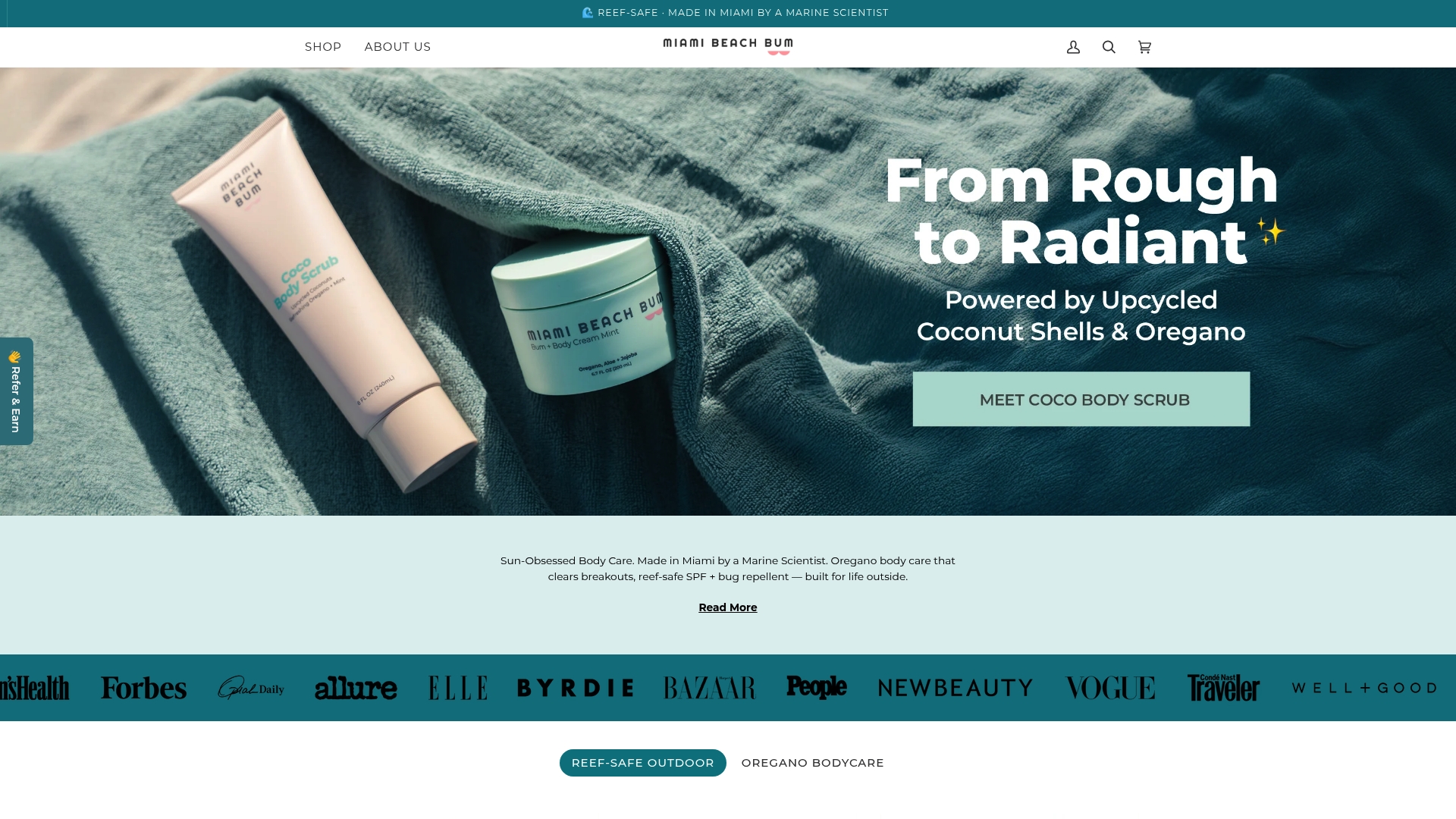
The Miamibeachbum Bodycare Discovery Set is the lowest-risk way to run a real scent-and-texture test on reef-safe formulas before spending full-size prices on anything. Each product in the set is ingredient-transparent, reef-safe, and built to perform on the sensory metrics this article covers: scent longevity, absorbency, and skin finish.
For sun care specifically, Blocked SPF50 delivers mineral reef-safe protection at a price point well below most luxury SPF body products, with no compromise on finish or wearability.
Pick up the discovery set, run the two-week test, and let the formula earn the full-size purchase.
Useful sources for verifying ingredients and reef-safety
| Resource | What it verifies | Why consult it |
|---|---|---|
| Ulta Beauty Affordable Body Care | Ingredient-first product selection and affordable alternatives | Editorial guidance on skin-loving ingredients for everyday body care |
| The Good Trade: Natural Body Washes | Clean formulations, ingredient transparency, sensitive-skin safety | Useful for verifying dupe ingredient lists against clean standards |
| Wirecutter: Best Body Lotions | Tactile performance testing (absorbency, finish, greasiness) | Independent testing methodology for evaluating lotion performance |
| U.S. FDA: Sunscreen | SPF claims, active ingredient approval, labeling requirements | Primary U.S. regulatory source for sunscreen safety and labeling |